10-17 January/Janvier
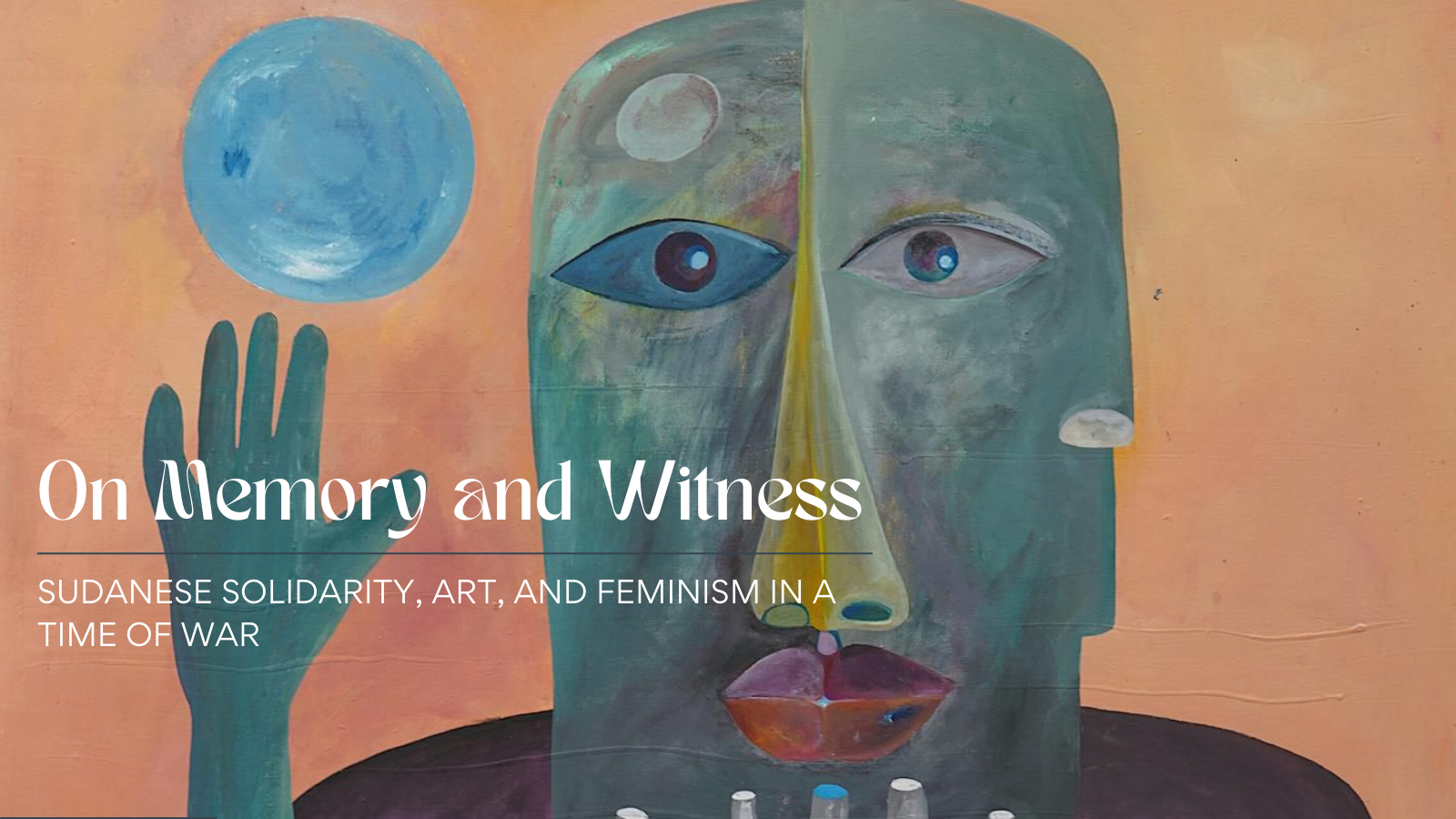
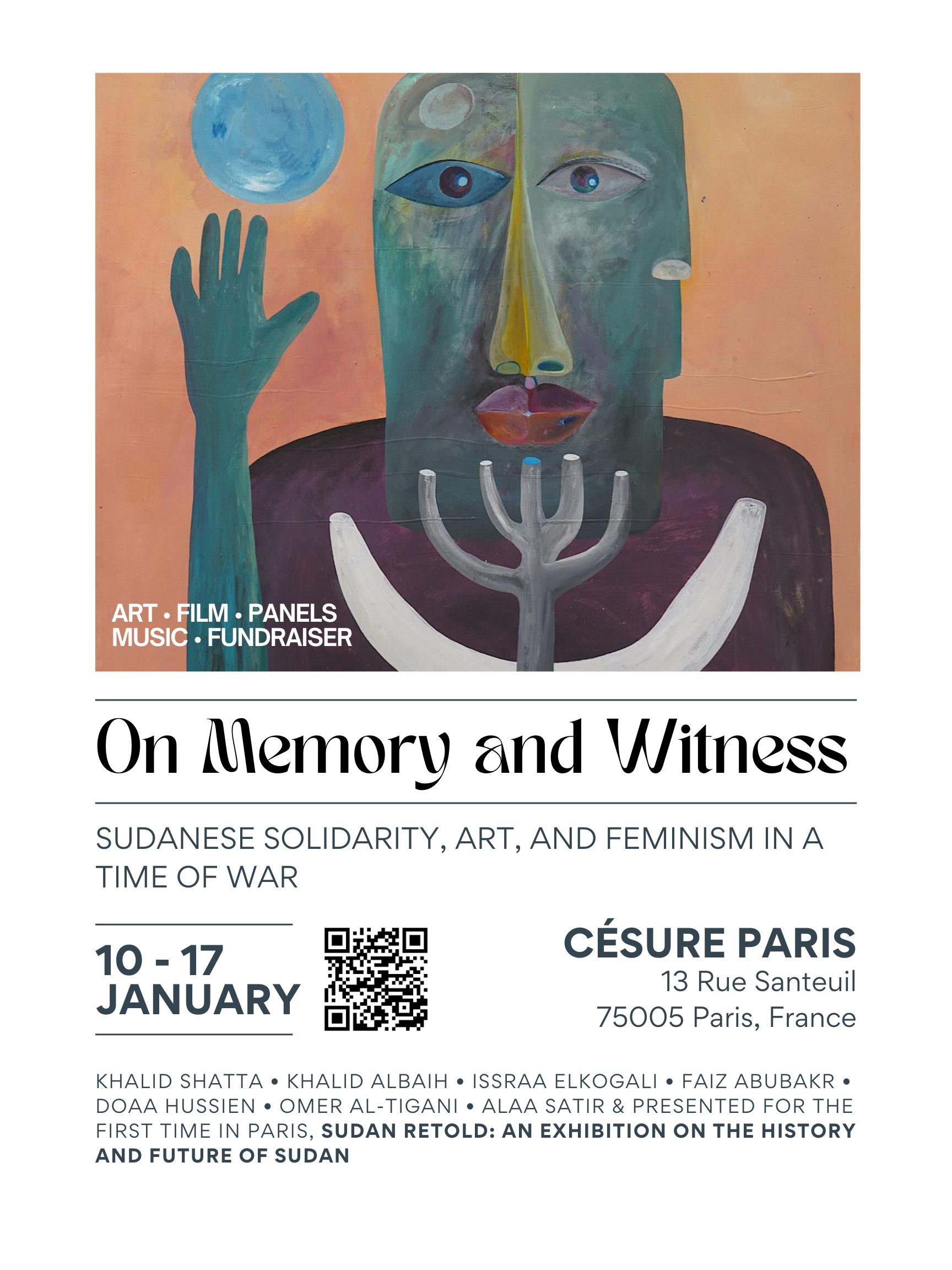
On Memory and Witness: A Sudanese-Led Fundraising Initiative
Sudan is facing one of the world’s most severe humanitarian crises, with over 30 million people in need, including millions displaced by ongoing conflict. Civilians face food insecurity, collapsing health systems, and limited access to protection and essential services. Women and girls are particularly at risk of gender-based violence, while all vulnerable groups struggle to meet their basic survival needs.
On Memory and Witness is a Sudanese-led, multi-day exhibition and public program that approaches memory not as remembrance alone, but as responsibility. Bringing together Sudanese artists, activists, and musicians from across Europe to Paris, this fundraiser responds to the ongoing war in Sudan by centering Sudanese voices, work, and experience.
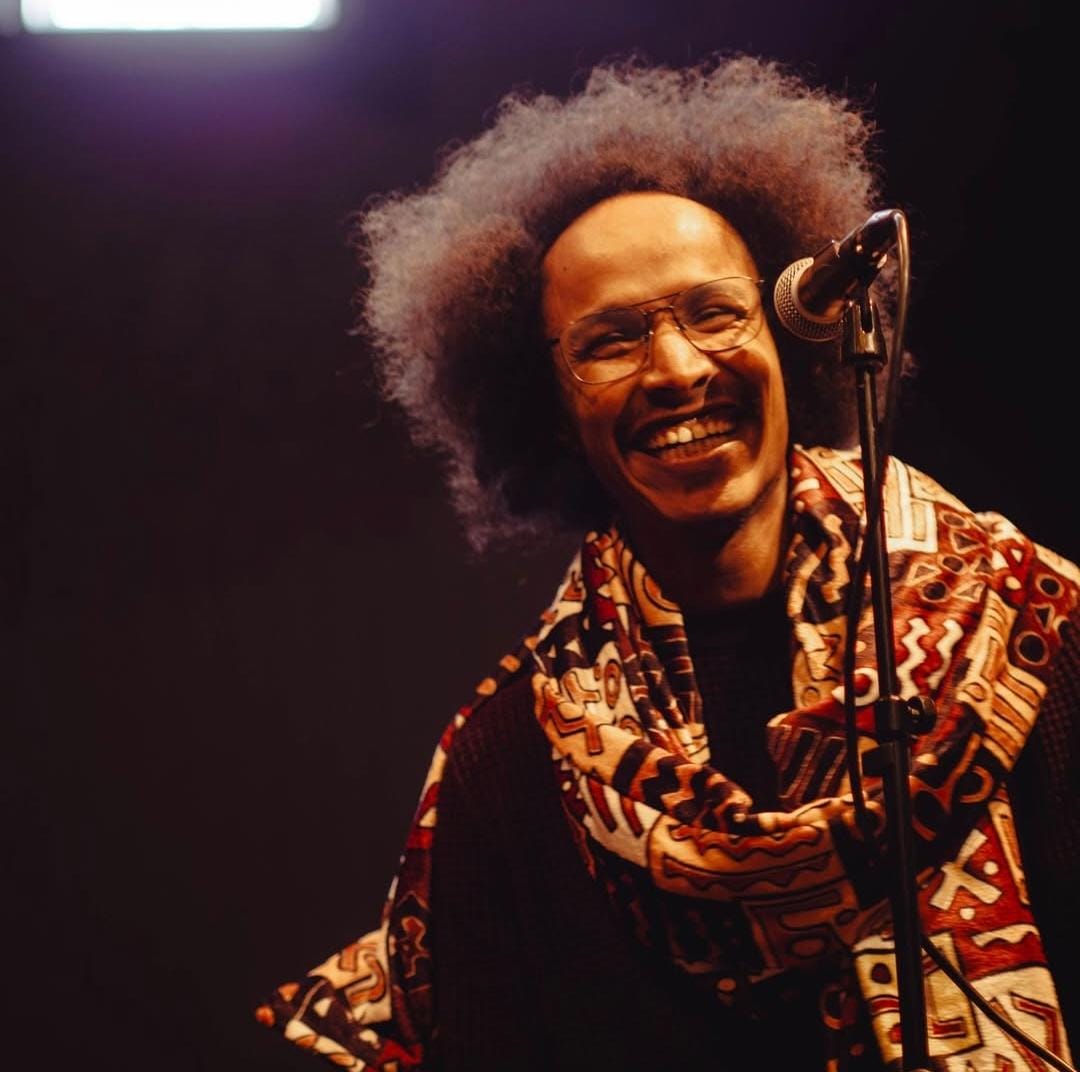
This is a fully community-driven, non-political initiative. There is no institutional or governmental funding behind it. Instead, it has come together through Sudanese solidarity and collective responsibility. Artists, feminists, and musicians from across the diaspora are participating by funding their own travel, staying with friends, and offering their time, labor, and creativity. Many are donating 100% of the proceeds from their artwork, while others are contributing 50%, including Khalid Shatta. Every contribution is an act of shared commitment rather than obligation.
The program features art exhibitions, panel discussions, films by Sudanese filmmakers, live music, and memorial-based visual works that bear witness to mass violence and loss. Selected artworks will be available for sale, with proceeds supporting Emergency Response Rooms (ERRs) in Tawila and women-led organizations providing essential services to women, including survivors of GBV, such as Zahrat ElMustaqbal for Development Organization, founded by Jalila Khamis Kuku.
This initiative was founded by Sulafa Khalid, whose commitment to youth, the arts, and intersectional feminism has shaped every aspect of this community-led project.
PROGRAM
SATURDAY,
JANUARY 10 – Opening Day
2–2:10 p.m.: Welcome and Introduction—Sulafa Khalid.
2:10–2:20 p.m.: Where will the funds go?
Short Presentation including a video by Jalila Kuku.
Presenter: Rayan Mohamed ElTom.
2:30 – 3 p.m.: Honoring Islam Zein Alabadeen: his work, life, and love for arts, people, Paris, and Sudan.Speakers: Abdelaziz Baraka Sakin, Mohamed Alasbaat, Mutasim Sid-Ahmed, Hind Al-Tahir with the presence of all the artists.
Panel 1
3–4 p.m.: A Conversation on Memory and Resistance in Times of War
(Arabic with French interpretation)
Speakers: Alaa Sattir, Doaa Hussein Marshall, Khalid Albaih, Khalid Shatta, and Mohamed Kehail.
Moderator: Samira Ibrahim
This conversation brings together Sudanese artists Khalid Shatta, Alaa Sattir, Khalid Albaih, Mohamed Kehail, and Doaa Marshall, exploring how art functions as a tool for memory, resistance, and survival during war and displacement. Through painting, illustration, murals, and political cartoons,, the artists examine how creative expression documents lived realities, challenges dominant narratives, and preserves cultural memory in times of crisis.
As violence continues to threaten lives and cities in Sudan, the artists use visual work to document what is happening and to show the world what is unfolding. Their images capture loss, resilience, and resistance, creating shared records of the present outside official accounts. The discussion looks at art as both documentation and political expression, and at how creative work helps preserve identity and communicate resistance.
The conversation is moderated by Samira Ibrahim, a French journalist of Egyptian-Sudanese heritage with extensive experience covering Africa and the Arab world. Samira will guide the dialogue, connecting the artists’ practices to broader questions of memory, resistance, and collective storytelling. She helps illuminate how visual expression can sustain social and political engagement, while highlighting Sudan’s stories on both local and international stages.
Together, the panel reflects on how art preserves identity, shapes political consciousness, and carries Sudanese stories forward through shared visual memory.
Panel 2
4–5 p.m.: Songs, Salt, and Gold
Speakers: Hind Eltahir, Nisreen Kuku, and Omer Eltijani
Moderator: Mohamed Al-Asbaat.
In times of conflict and cultural rupture, everyday practices—such as the songs we sing, the food we share, the jewelry we wear, and the images we create—become powerful carriers of memory, identity, and resistance. This panel explores how these cultural forms hold history, negotiate belonging, and affirm continuity in the face of displacement and loss.
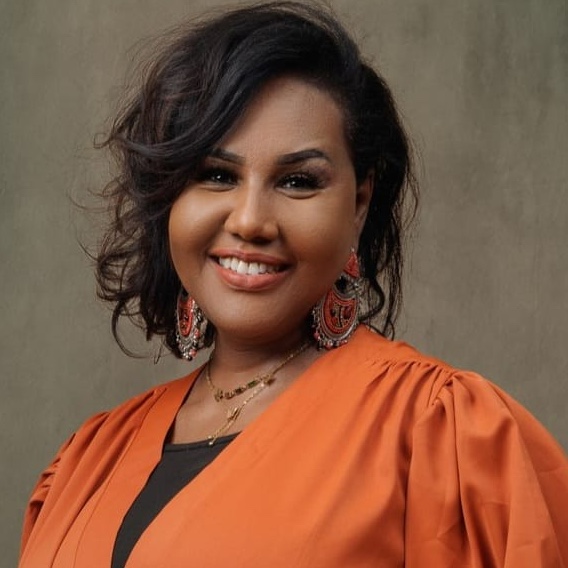
Hend El Tahir and Mohamed El-Asbaat reflect on the legacy of Sudanese female musical pioneers, including Hawa Jah al-Rasoul Mohammed (Hawa Al-Tagtaga) and Asha Al-Falatiya, examining how music has long challenged power, expressed struggle, and sustained collective memory—resonating with Sudanese communities across generations.
Omer Eltijani discusses The Sudanese Kitchen, a decade-long project that blends ethnography, archive, memoir, and art to document Sudanese foodways. The project reveals cuisine as a living archive—preserving resilience, creativity, and cultural knowledge through everyday practice.
Nisreen Kuku explores Sudanese jewelry as embodied memory and narrative, highlighting how ornaments preserve social histories, rites of passage, beliefs, and intergenerational knowledge, while resisting cultural erasure.
The discussion also touches on the Sudanese Jirtig wedding ritual, recently inscribed on UNESCO’s Representative List of the Intangible Cultural Heritage of Humanity, as an example of living heritage carried through sound, adornment, and ritual. Moderated by Mohamed El-Asbaat, the panel traces how music, cuisine, jewelry, and art function as living languages of memory and resistance.
Panel 3
5–6 p.m.: Cinema as Memory: Archiving Sudan’s Stories
(Arabic with French interpretation)
Speakers: Israa Elkogali, Eman Hussein Sherif
Moderator: Sara Greirra
As violence threatens lives and cities, artists and filmmakers use visual work to document what is happening and to show the world what is unfolding. Images and films capture loss, resilience, and resistance, creating shared records of the present that exist beyond official accounts.
This panel looks at cinema and visual art as ways of recording memory, identity, and culture in the context of war, displacement, and rupture. It focuses on Sudanese filmmaking and visual practice as tools for preserving history, revisiting heritage, and asserting cultural presence. The conversation highlights the legacy of Hussein Shariffe, whose films continue to serve as key records of Sudanese cultural memory, and the ongoing work to archive and share his contributions.
Building on this, Issraa Elkogali reflects on her filmmaking and multimedia practice, which links art and activism to document diverse Sudanese experiences across Sudan and the diaspora. Through films, installations, and visual storytelling, her work explores belonging, ritual, and identity across borders.
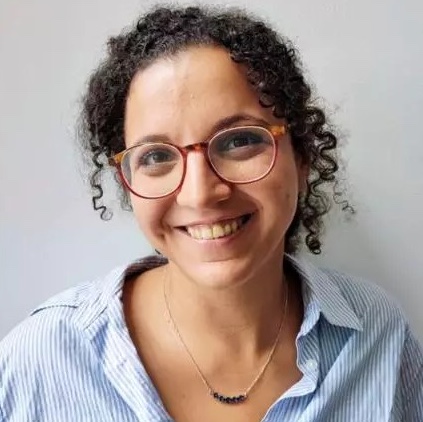
Moderated by Sarra Grira, the discussion also draws connections to Palestinian cinema, which offers a powerful example of visual culture as an archive in the face of displacement and ongoing violence. Through this lens, the panel considers how cinema and visual art sustain memory, amplify marginalized voices, and carry cultural histories forward for future generations.
Panel 4:
6 –7 p.m.
Panel: Bridging Research and Activism: Supporting Sudanese Women Through Displacement and Uncertainty
(Arabic with French interpretation)
Speakers: Marie Bassie, Mawada Adam, Rana Bilal
Moderator: Taiseer Khalil
This conversation brings together three women professionals—two doctors and one researcher—working with Sudanese women affected by war and displacement in Cairo and across transnational contexts.
Marie Bassi, a political scientist and coordinator of CEDEJ following its relocation from Khartoum to Cairo, presents Akhir Faysal – Faysal Last Stop. Grounded in her research on displacement and Sudanese diasporic life, the project documents the everyday geographies, economic practices, and personal histories of Sudanese women displaced to Cairo, creating a participatory archive that highlights experiences often missing from official narratives.
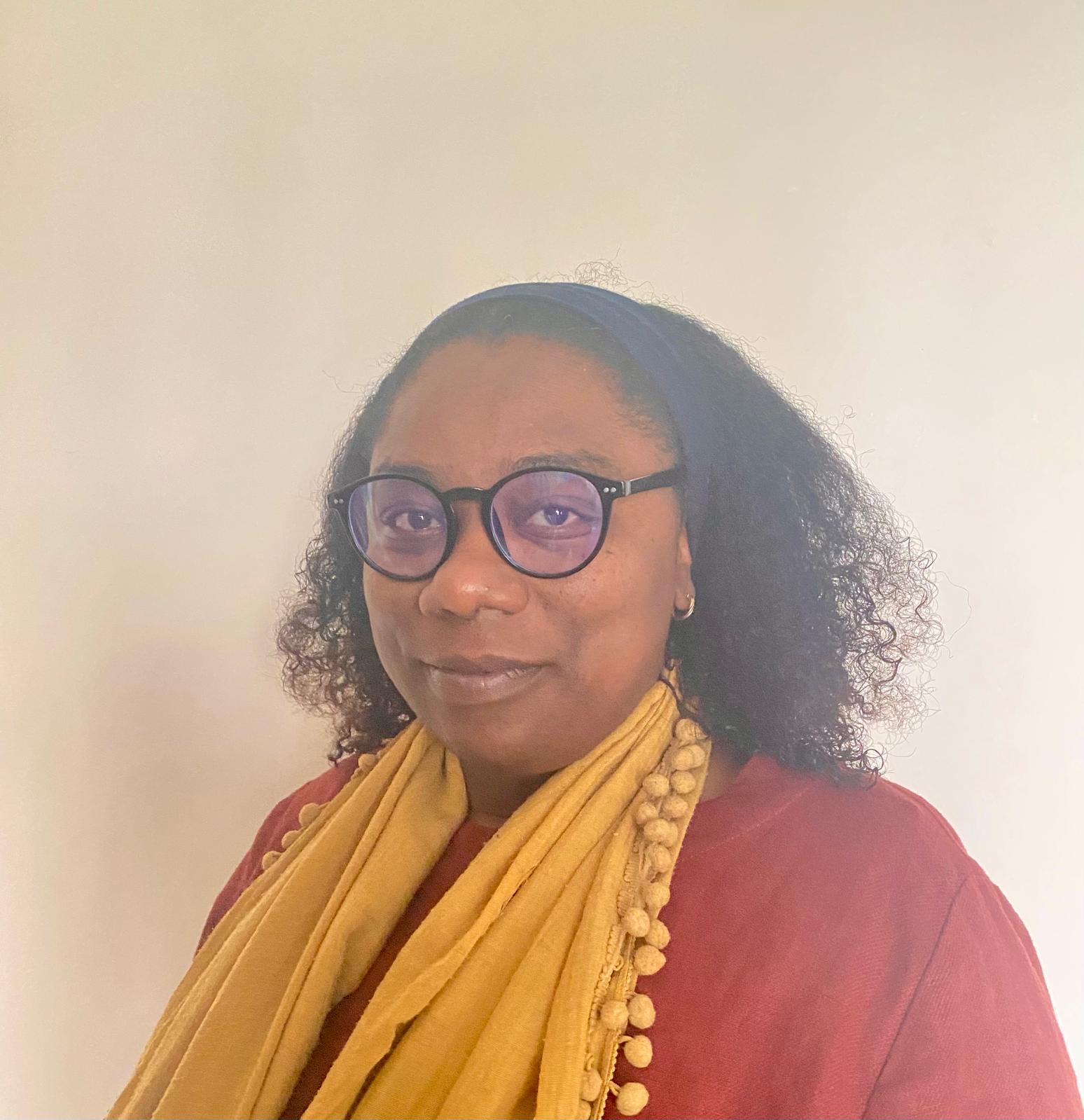
In dialogue, Rana Bilal and Dr. Mawada Adam bring their experience with Collective Circles, supporting Sudanese women displaced to Cairo, Chad, Uganda, and Kenya since the war erupted. Their work focuses on sustaining dignity, leadership, and connection through regenerative activism, relational practices, and inclusive dialogue, addressing collective grief, intergenerational trauma, and the role of the body in navigating hardship.
The panel highlights how Bassi’s research-based approach and Rana and Mawada’s activist-practical approach intersect: both center the voices, experiences, and resilience of Sudanese women, connecting lived experience with methods for sustaining political, social, and emotional continuity under crisis.
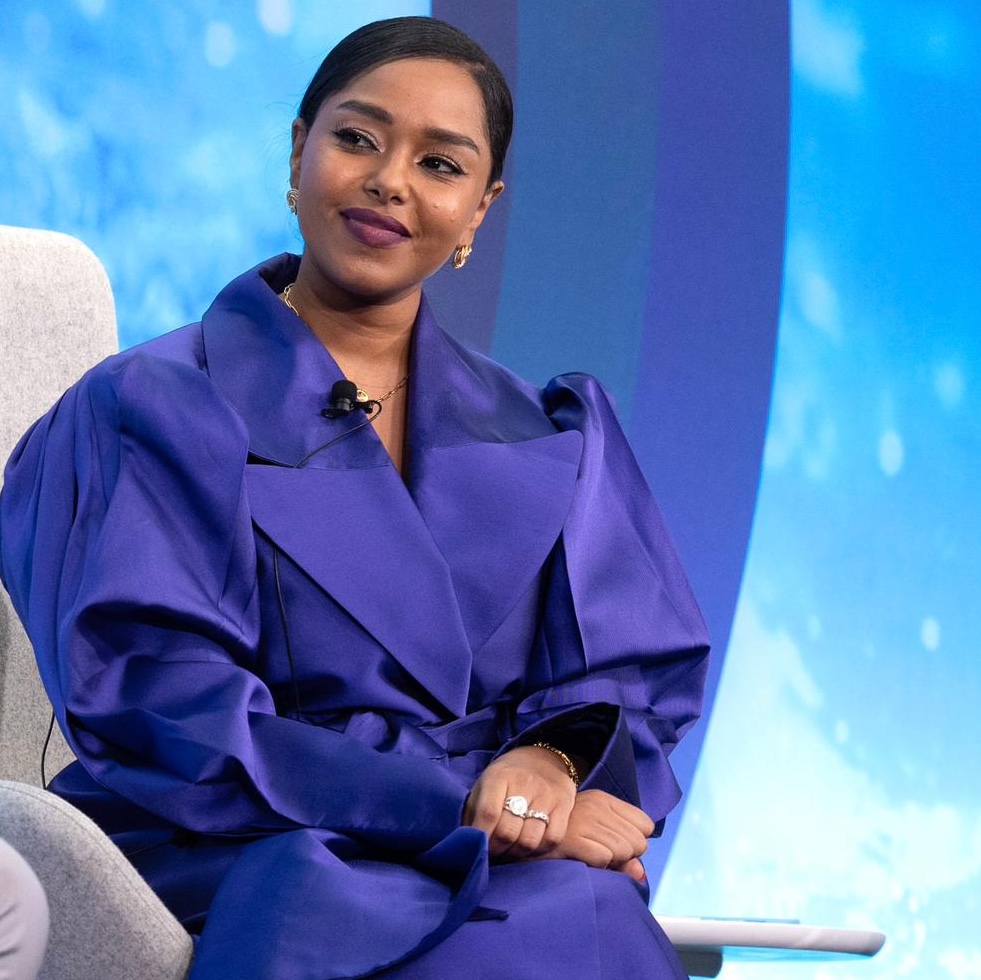
The conversation is moderated by Dr. Mayada Adil, a Sudanese doctor, UN SDG Young Leader, and gender equality advocate. She guides the discussion to illuminate these intersections, showing how research, care-based practice, and collective organizing inform each other, and how solidarity, political engagement, and resilience can be nurtured across scholarly, artistic, and activist frameworks.
Together, the panel reflects on how research, artistic practice, and regenerative activism can sustain political life, community continuity, and collective strength while war continues.
7– 10 p.m.: Exhibition opening, reception, musical performance, and meet the artists.
Sunday, January 11, 2026: CESURE CLOSED. We invite you to join us again from Monday, January 12 through Saturday, January 17 for the continuation of the program.
Exhibition Hours: 12:00 PM–7:00 PM
Art exhibition open to the public throughout the day.
Film Screening:
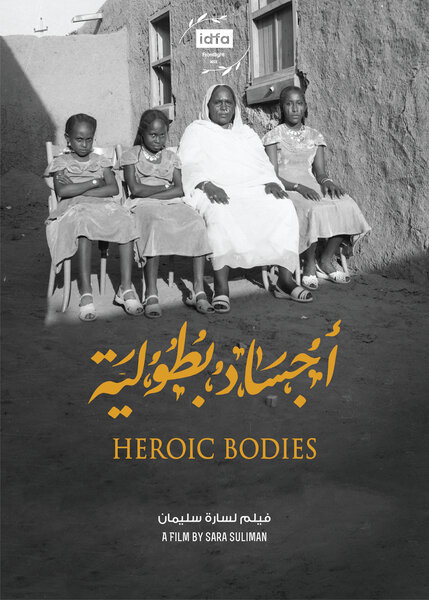
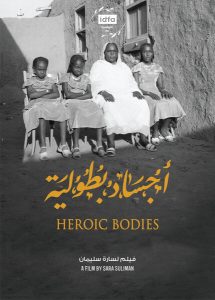 Heroic Bodies
 Exhibition Hours: 12:00 PM–7:00 PM
Art exhibition open to the public throughout the day.
Film Screening:
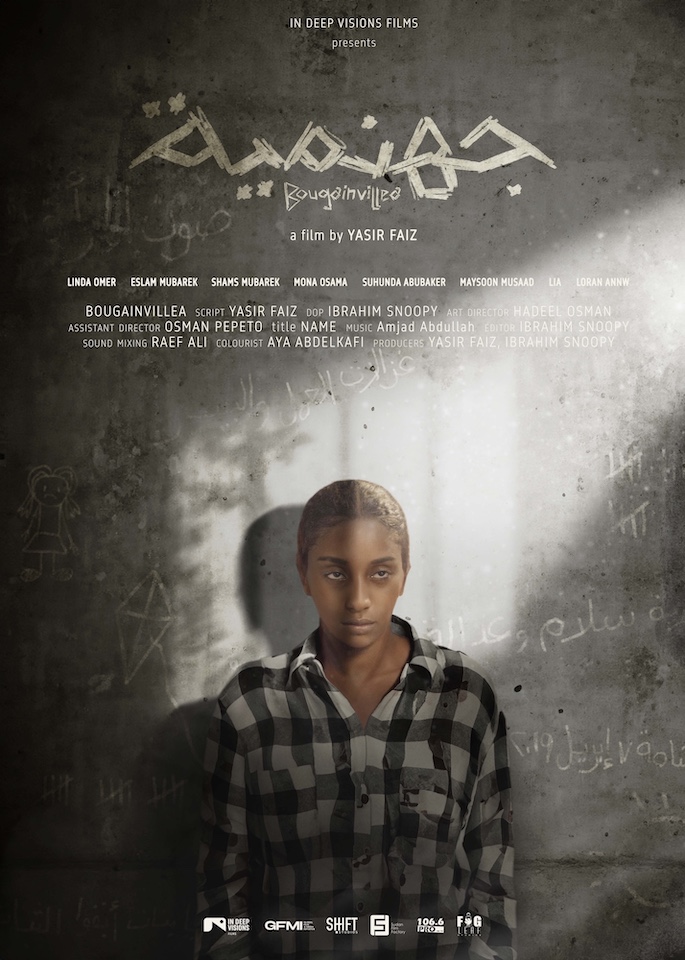 |
Bouganivillea
Showtime: 4:00 PM
Director:
Yasir Faiz |
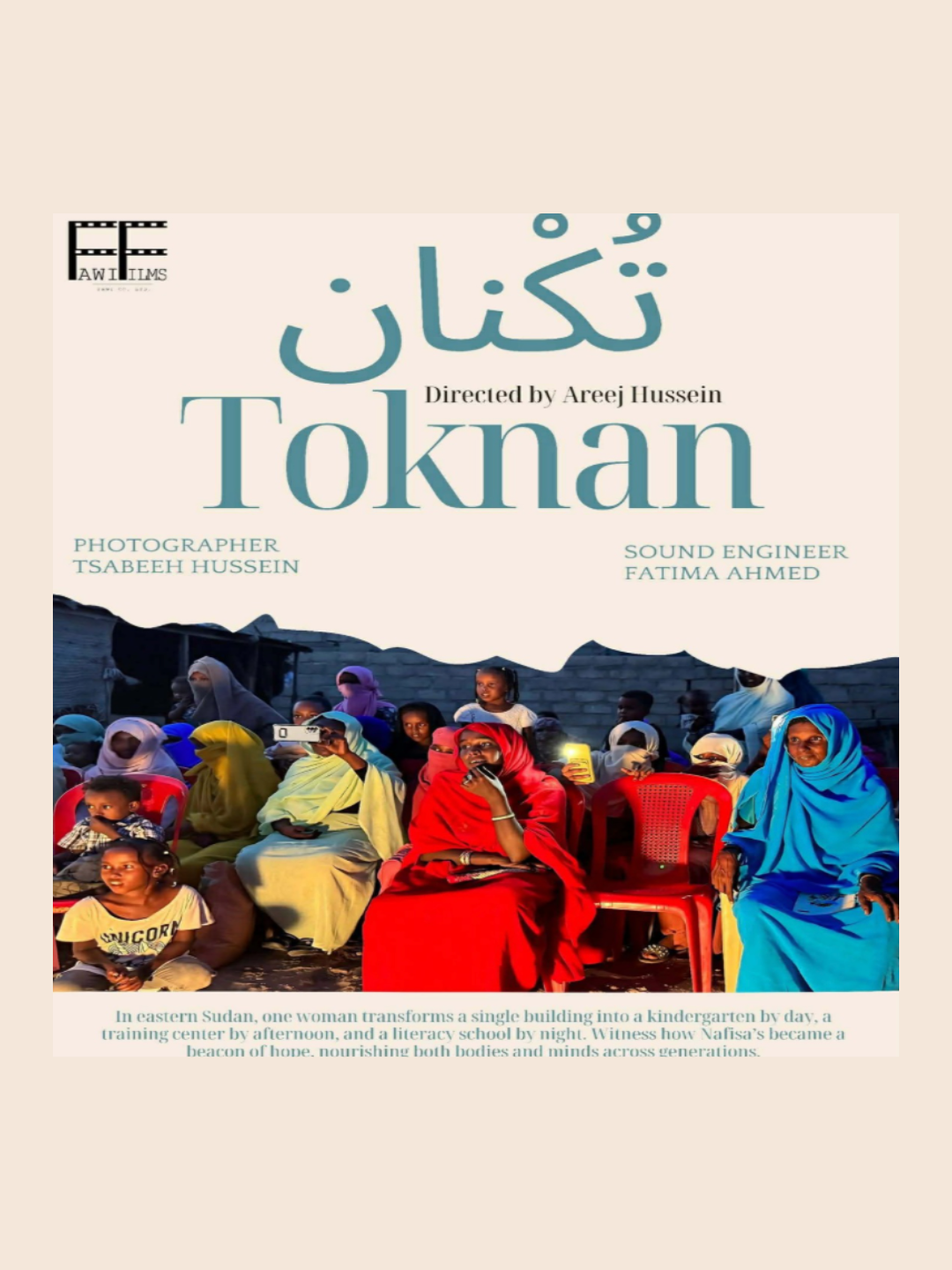 |
Toknan (Cinema Banat)
Showtime: 4:20 PM
Director: Areej Hussein
Producer:
Mohamed Fawi |
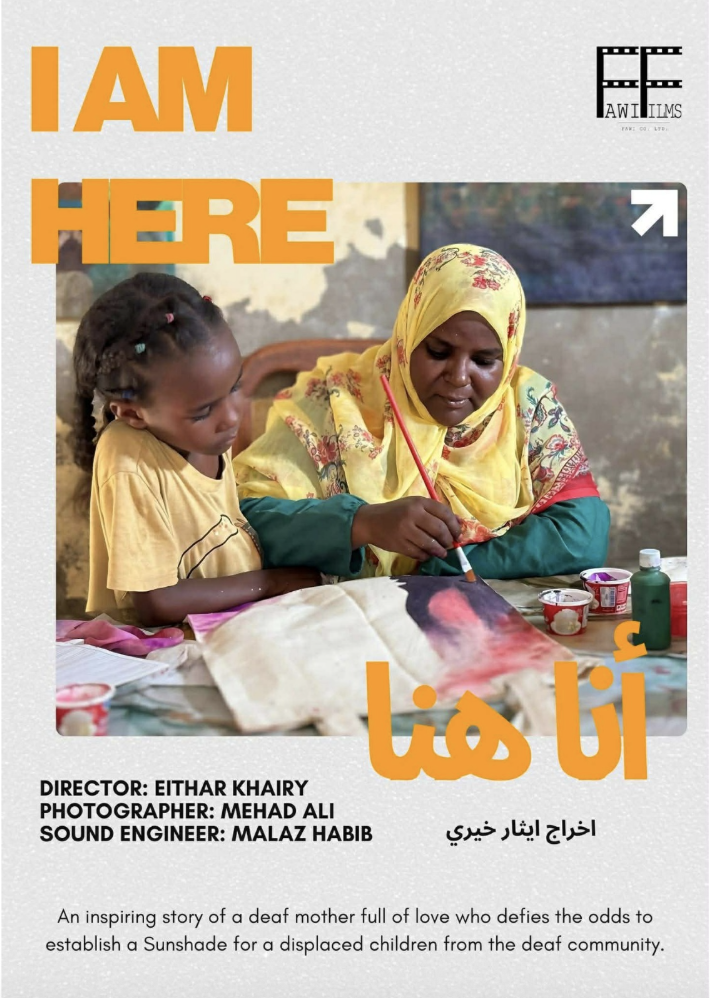 |
I Am Here (Cinema Banat)
Showtime: 4:40 PM
Director: Eithar Khairy
Producer:
Mohamed Fawi |
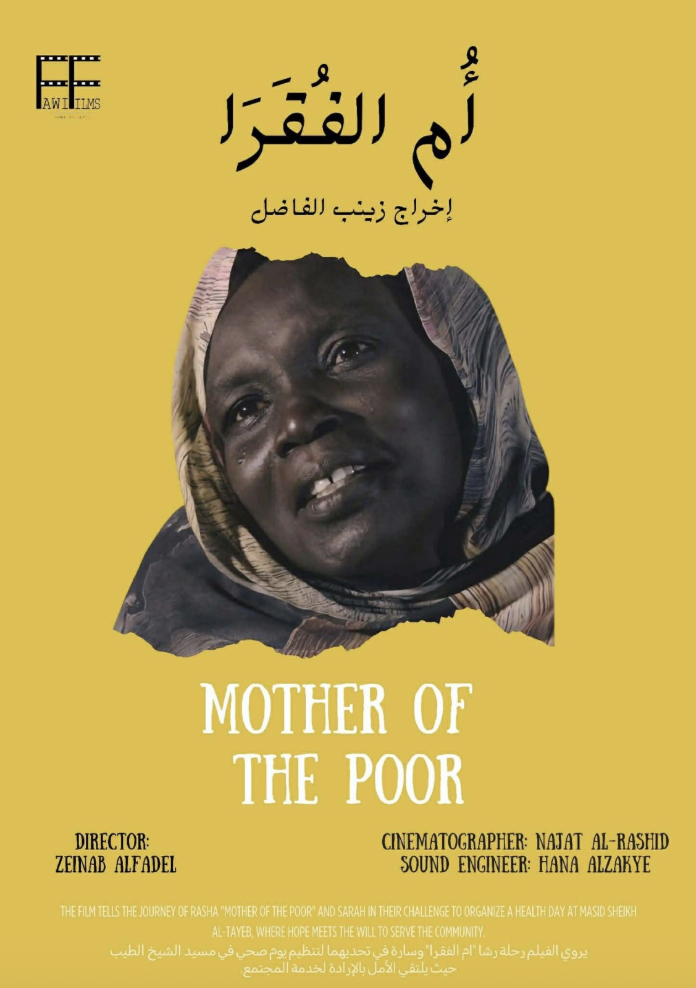 |
Mother of the Poor (Cinema Banat)
Showtime: 5:00 PM
Director: Zeinab Alfadel
Producer:
Mohamed Fawi |
This panel highlights the experiences and leadership of Sudanese women during and after the war, focusing on sexual and gender-based violence, displacement, and survival. Sexual violence has been used as a weapon of war in Sudan, yet it remains widely silenced and inadequately addressed.
Bringing together research and feminist activism, the panel explores how violence is hidden, spoken about, and challenged through language, policy, and justice processes. Drawing on experiences from Sudan and Tunisia, the speakers highlight the need for survivor-centred, gender-sensitive approaches to truth, accountability, and transitional justice.
The panel argues that Sudanese women must be at the centre of justice efforts—not only as witnesses to violence, but as key actors shaping justice, repair, and collective futures.
—
Femmes soudanaises, guerre et justice
Ce panel met en lumière les expériences et le rôle de leadership des femmes soudanaises pendant et après la guerre, en mettant l’accent sur les violences sexuelles et basées sur le genre, le déplacement et les stratégies de survie. La violence sexuelle a été utilisée comme arme de guerre au Soudan, tout en restant largement réduite au silence et insuffisamment prise en compte.
Réunissant recherche et militantisme féministe, le panel explore la manière dont la violence est dissimulée, exprimée et contestée à travers le langage, les politiques et les mécanismes de justice. En s’appuyant sur des expériences du Soudan et de la Tunisie, les intervenantes soulignent la nécessité d’approches de justice transitionnelle centrées sur les survivantes et sensibles au genre.
Le panel affirme que les femmes soudanaises doivent être au cœur des processus de justice — non seulement comme témoins des violences, mais comme actrices clés de la justice, de la réparation et de la construction d’avenirs collectifs.
—
العنوان: النساء السودانيات، الحرب، والعدالة
يركّز هذا النقاش على تجارب ودور النساء السودانيات القيادي خلال الحرب وما بعدها، مع تسليط الضوء على العنف الجنسي والعنف القائم على النوع الاجتماعي، والنزوح، وسبل البقاء في ظل الأزمات. لقد استُخدم العنف الجنسي كسلاح حرب في السودان، ومع ذلك لا يزال مسكوتًا عنه إلى حدّ كبير وغير معالَج بشكل كافٍ.
يجمع هذا النقاش بين البحث الأكاديمي والنشاط النسوي لاستكشاف كيف يتم إخفاء العنف أو التعبير عنه أو مقاومته من خلال اللغة والسياسات وآليات العدالة. وبالاستفادة من تجارب من السودان وتونس، تؤكد المتحدثات على أهمية مقاربات العدالة الانتقالية التي تضع الناجيات في المركز وتراعي النوع الاجتماعي.
.ويؤكد النقاش أن النساء السودانيات يجب أن يكنّ في صميم جهود العدالة، ليس فقط كشاهدات على العنف، بل كفاعلات أساسيات في بناء العدالة،
.
Exhibition Hours:
12:00 PM–7:00 PM
Art exhibition open to the public throughout the day.
Film Screening:
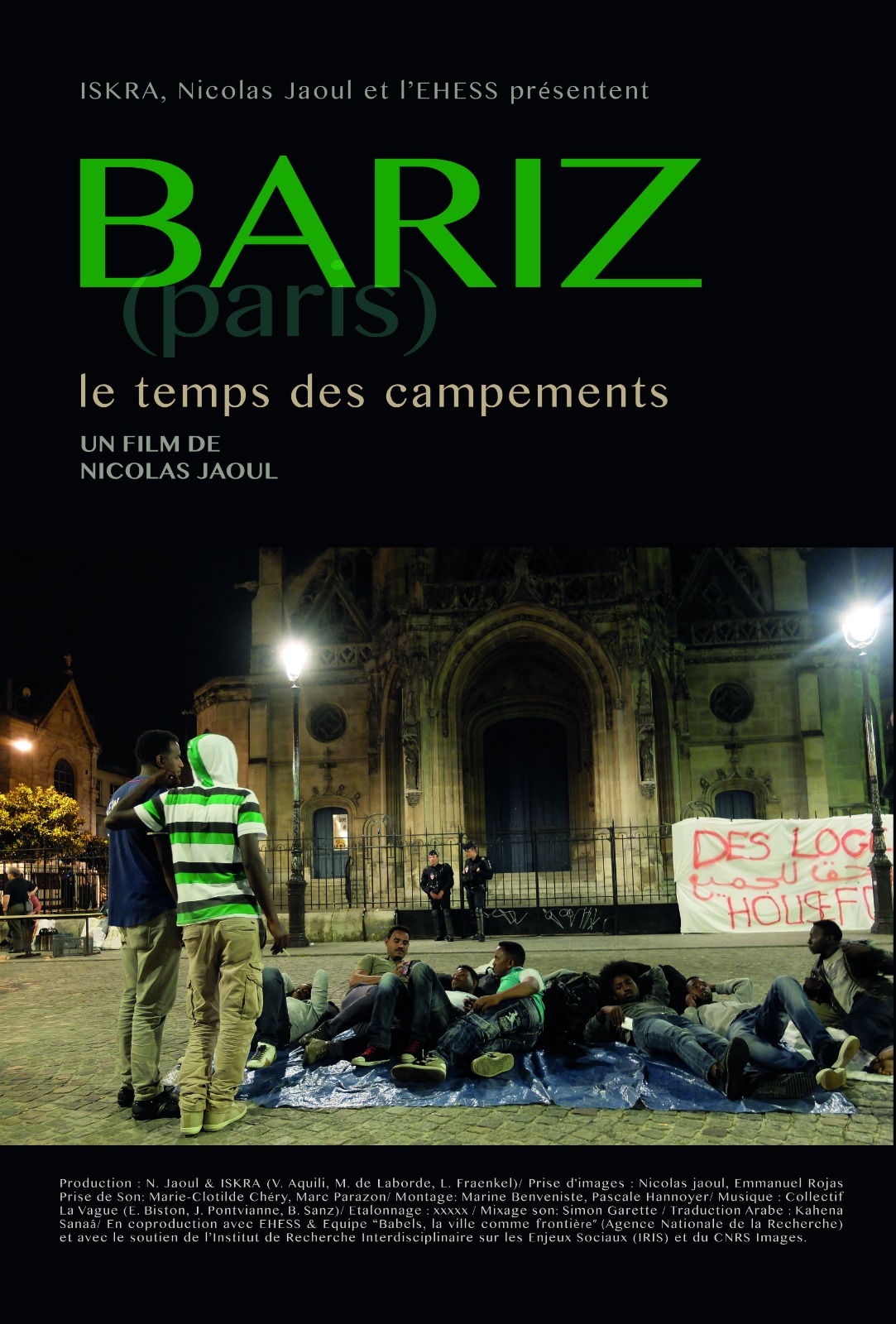
 4:30: Bariz (Paris) The Time of the Camps
 Exhibition Hours: 12:00 PM–7:00 PM
Art exhibition open to the public throughout the day.
Film Screening:
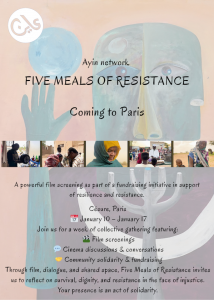
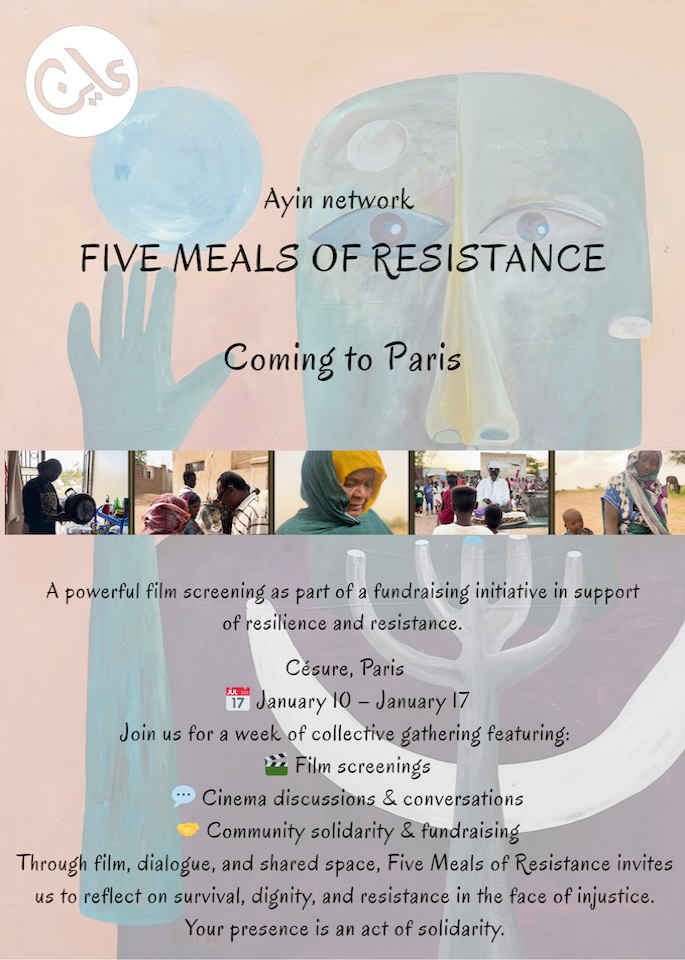
5 Meals of Resistance
Director: Abdeen Abdelrazig
Screenings: 15 January
6:00 PM
Exhibition Hours: 12:00 PM–7:00 PM
Art exhibition open to the public throughout the day.
Film Screening:
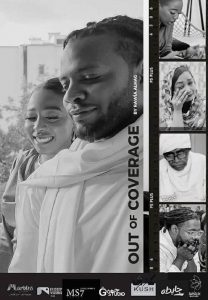
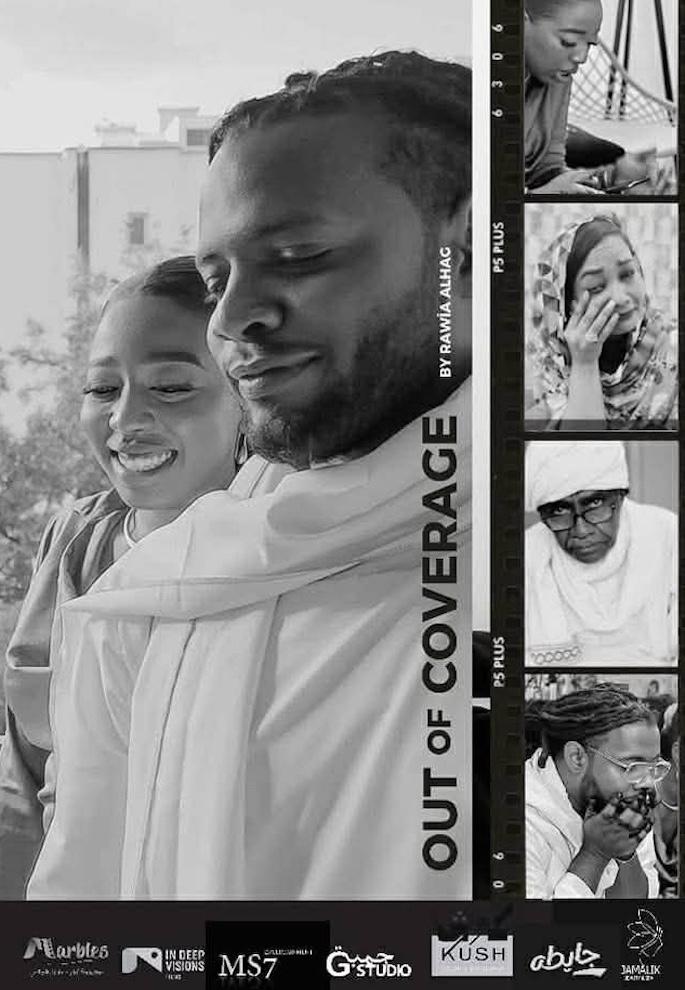
Out of Coverage
Director: Rawia Elhag
Screenings: 16 January
6:00 PM
1–2 p.m.: Welcome & Opening
- Meet the artists
- Sudanese tea and dessert
2–3 p.m.: The History of Music and Song in Sudan
(Arabic with French interpretation)
Speakers: Ahmed Eltayeb Alahmar, Anwar Aljazar, and Doaa Hussein Marshall
Moderator: Anwar Aljazar
This panel features Ahmed Eltayeb Alahmar in conversation with Anwar Aljazar (moderator and translator)
and Doaa Hussein Marshall for a rich exploration of the history of music and song in Sudan. Together,
they will trace how Sudanese musical traditions have shaped cultural memory, political expression, and
collective identity across generations.
The conversation will also honor the lives and legacies of two beloved Sudanese artists, Mustafa Sid Ahmed
and Mahmoud Abdelaziz, who both passed away on January 17—each in a different year. Through remembrance
and reflection, the panel will celebrate their enduring impact on Sudanese music and the deep emotional
resonance their work continues to hold for communities at home and in the diaspora.
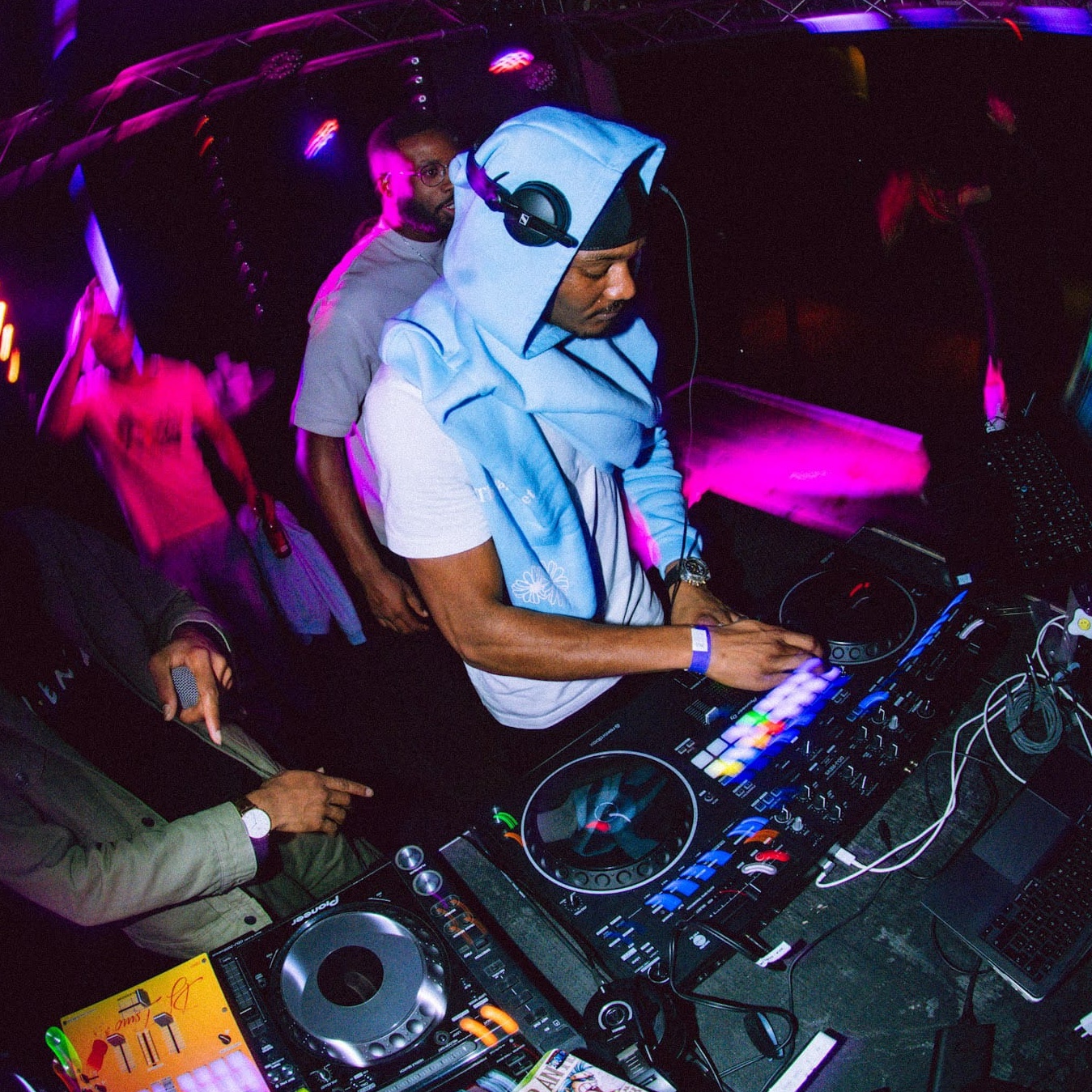
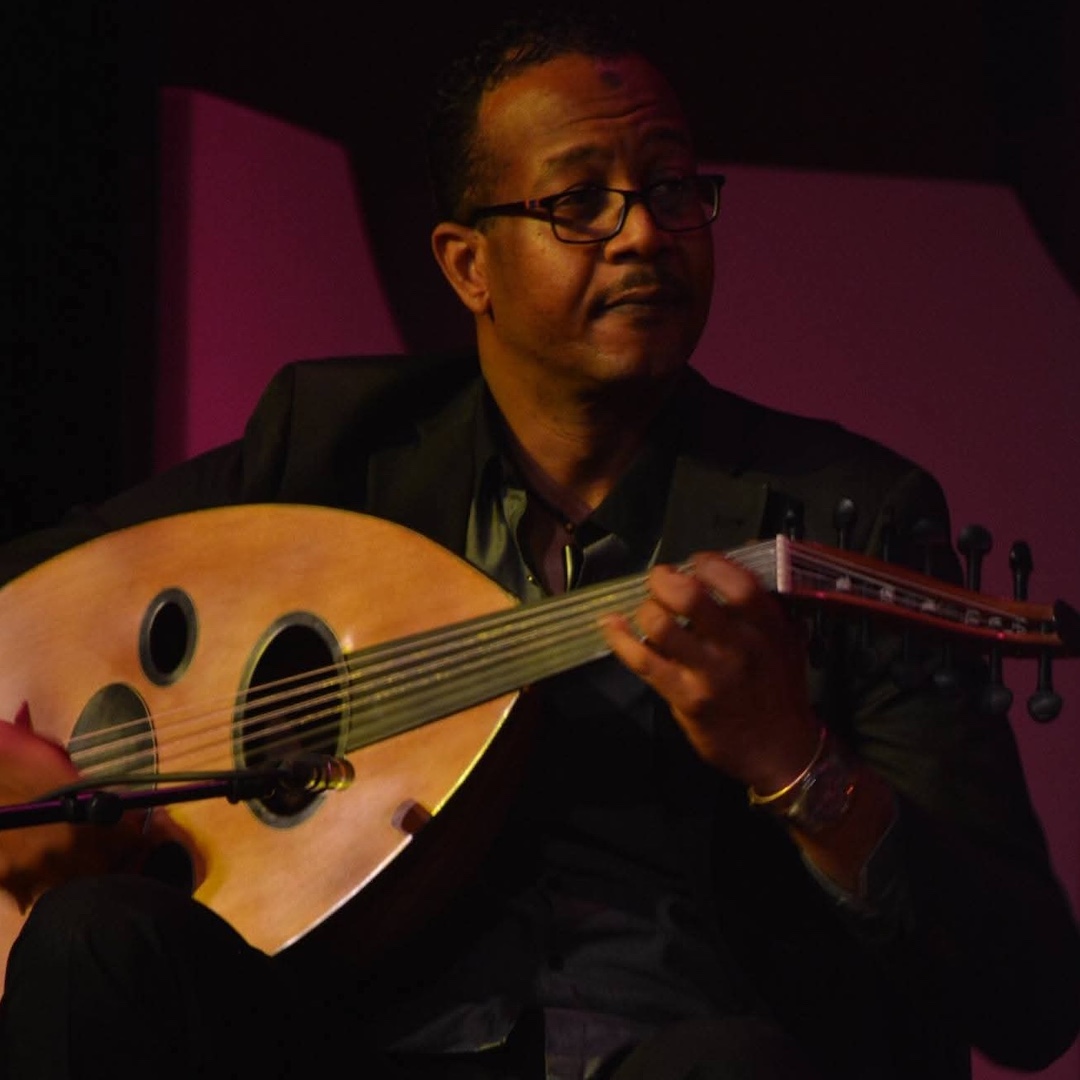
3–4 p.m.: Musical performance—Oud by Ahmed Eltayeb Alahmer
4–5:00 p.m.: Sudanese Canteen
- Sudanese food and refreshments provided by Maram Marshall.
5:30–6 p.m.: A word from the organizers + Jalila Khamis Kuku, founder of Zahrat ElMustaqbal for Development Organization.
6–7 p.m.: Film Screening
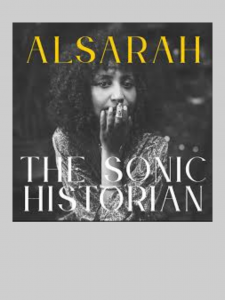
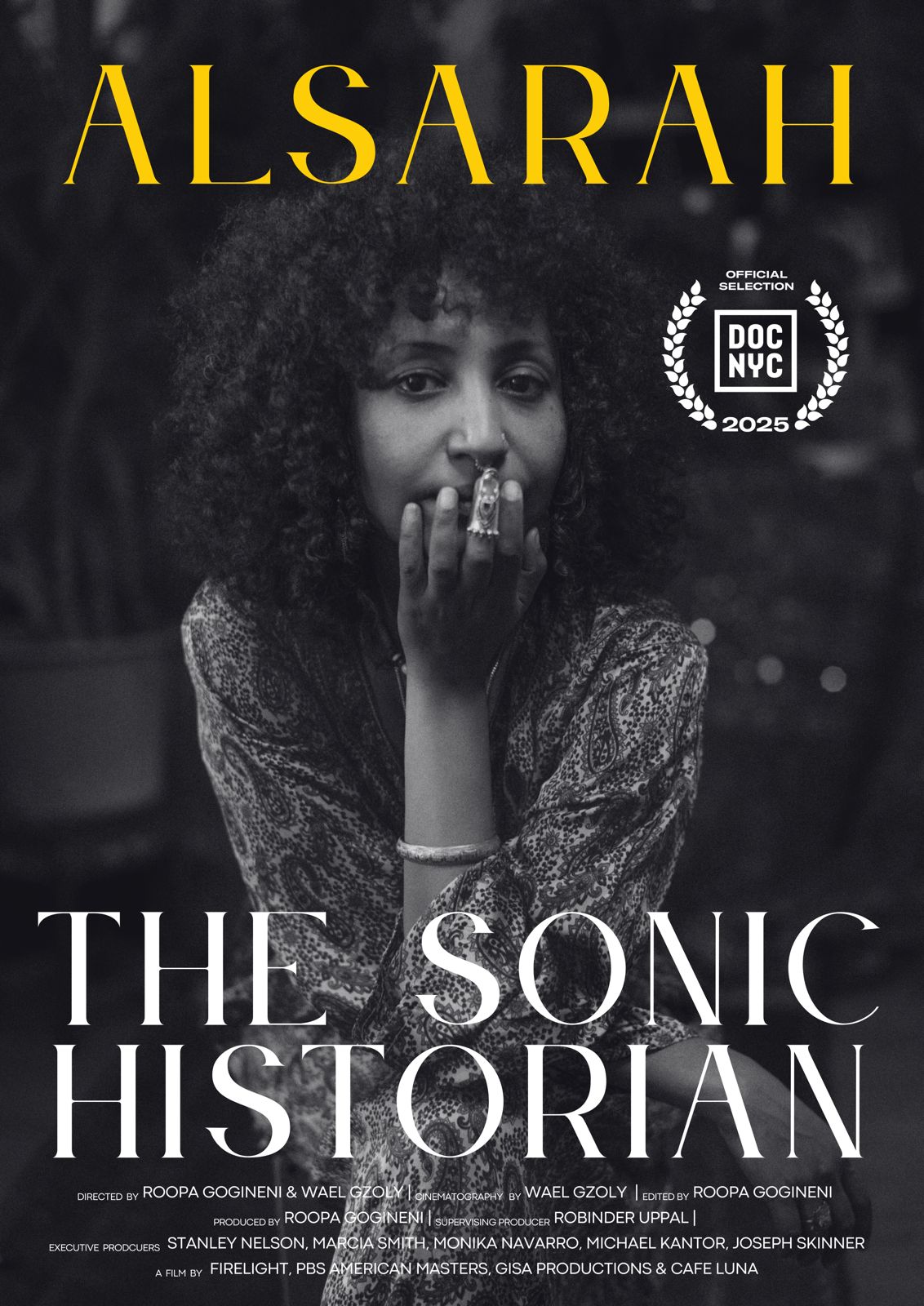
Alsarah: The Sonic Historian
Director: Roopa Gogineni
Screening at 6:00 p.m. followed by a Q&A with director Roopa Gogineni,
moderated by Inaam Eltayb, interpreted (English to French) by Wigdan Mekki Medani.
7–8 p.m.: Mobilising Solidarity, Media & Justice for Sudan: Voices from the Frontlines (Arabic with French interpretation)
Speakers: Yousif Abdelrahman, Hugh Hagan, Abdelghani Abdelkarim Abdallah, Moddathir Wadaa, and Maria Kalantzopoulou
Moderator: Maisoon Kheir
Translator: Wigdan Mekki Medani
Join us for a powerful discussion with activists and advocates working to break the silence on the ignored war in Sudan
and build transnational solidarity for justice, peace, and human rights.
This panel brings together:
- Yousif Abdelrahman – Lawyer & Representative, Sudfa Media (France)
- Hugh Hagan – Coordinator for Sudan & South Sudan, Amnesty International France
- Abdelghani Abdelkarim Abdallah and Maria Kalantzopoulou – Representatives, Sound of Sudan (SOS)
Our speakers bring experience from legal advocacy, independent media, human rights documentation, and grassroots solidarity — to share firsthand experiences of raising awareness, organising communities, and confronting injustice both in France and across borders.
Sudfa Media has worked to make Sudanese struggles visible to French-speaking audiences through translation, analysis, and educational outreach, emphasising grassroots resistance and the lived realities of Sudanese in and outside the country.
Amnesty International France will speak to the broader humanitarian and rights context, including documenting sexual and gender-based violence, displacement, and international accountability gaps.
Sound of Sudan (SOS) mobilises resources in France and internationally for human rights and peace in Sudan, from fundraising for displaced civilians to activism and solidarity campaigns that connect struggles globally.
Panelists will explore:
- The role of media and documentation in shaping narratives, countering erasure, and advancing Sudanese voices in the global public sphere. (Sudfa)
- Human rights and humanitarian challenges, including gender-based violence, and what international advocacy must prioritise. (Amnesty)
- Why connecting struggles across borders—such as solidarity with Palestinian movements and advocacy for Sudanese migrants and refugees in Europe—is vital, including legal advocacy and mobilisation for Sudanese migrants in Greece. (SoS)
Panelists will also offer concrete recommendations outlining what France, the EU, civil society, and individuals can do now to support Sudan’s fight for justice, and how to engage men more actively in advancing gender equality and ending sexual violence as part of broader solidarity work.
Together, you will discuss what needs to be done next, and how to mobilise effectively for change.
8–10:00 p.m.: Musical performance by Hussam Musa, Ahmed Eltayeb Alahmar + a closing ceremony in tribute to the people of Sudan

ARTISTS
KHALID SHATTA • KHALID ALBAIH • ISSRAA ELKOGALI • OMER ELTIGANI • ALAA SATIR • DOAA HUSSIEN • FAIZ ABUBAKR • WALID FAROUK • MOHAMED KEHAIL • SUDAN RETOLD EXHIBITION • POLITICAL CARTOONS from KHARTOON MAGAZINE • AVAILABLE FOR THE FIRST TIME IN PARIS: SUDANESE KITCHEN & SUDAN RETOLD BOOKS.
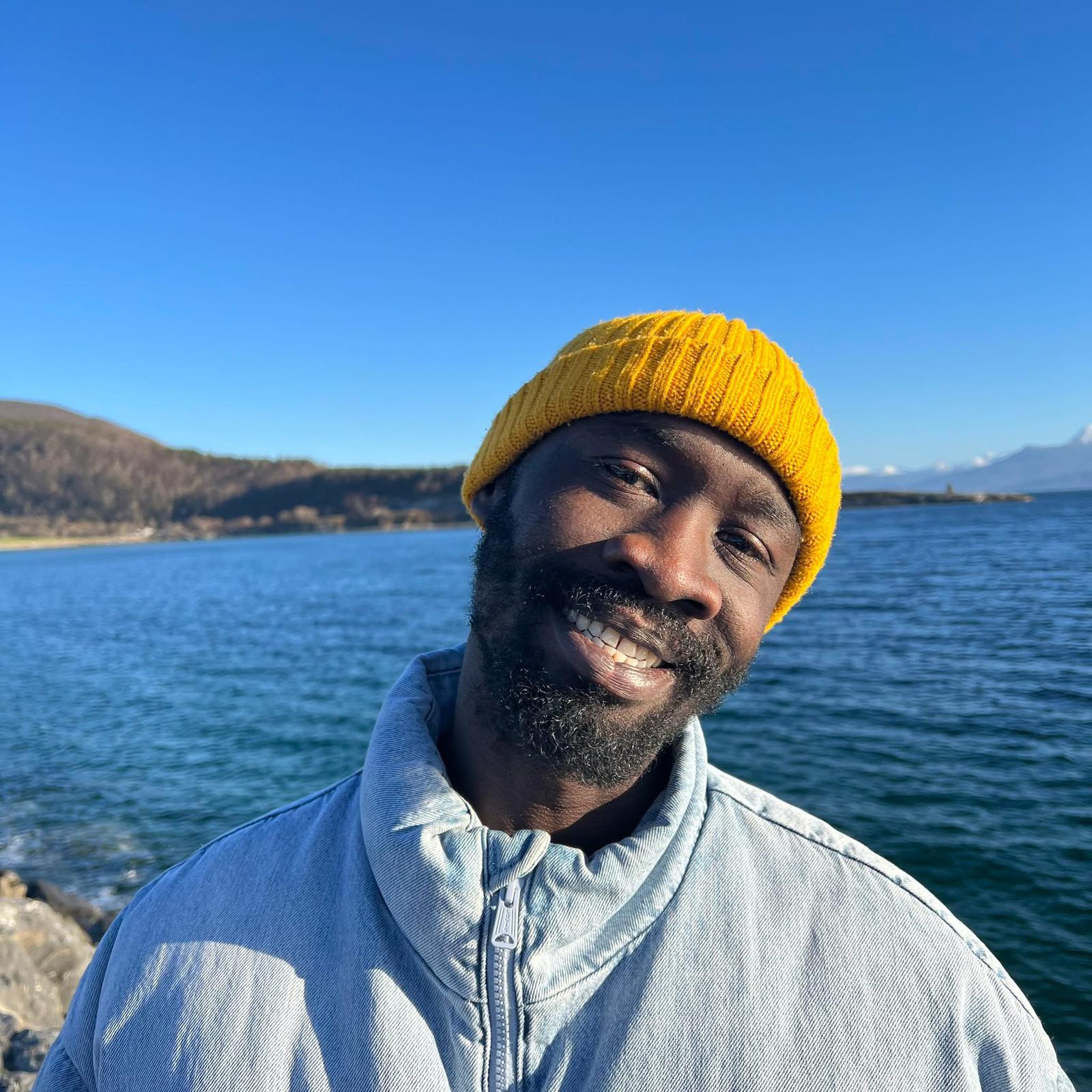
KHALID SHATTA
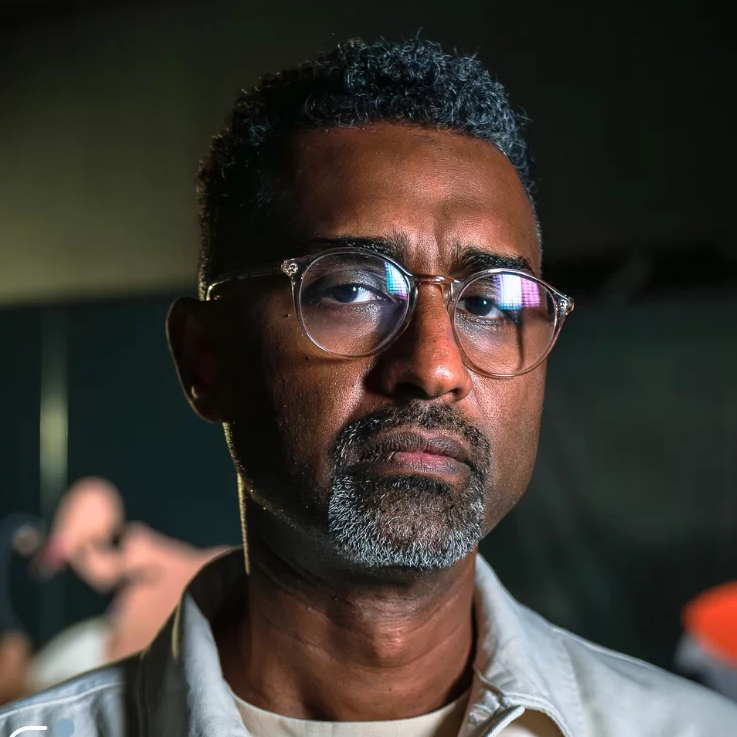
KHALID ALBAIH
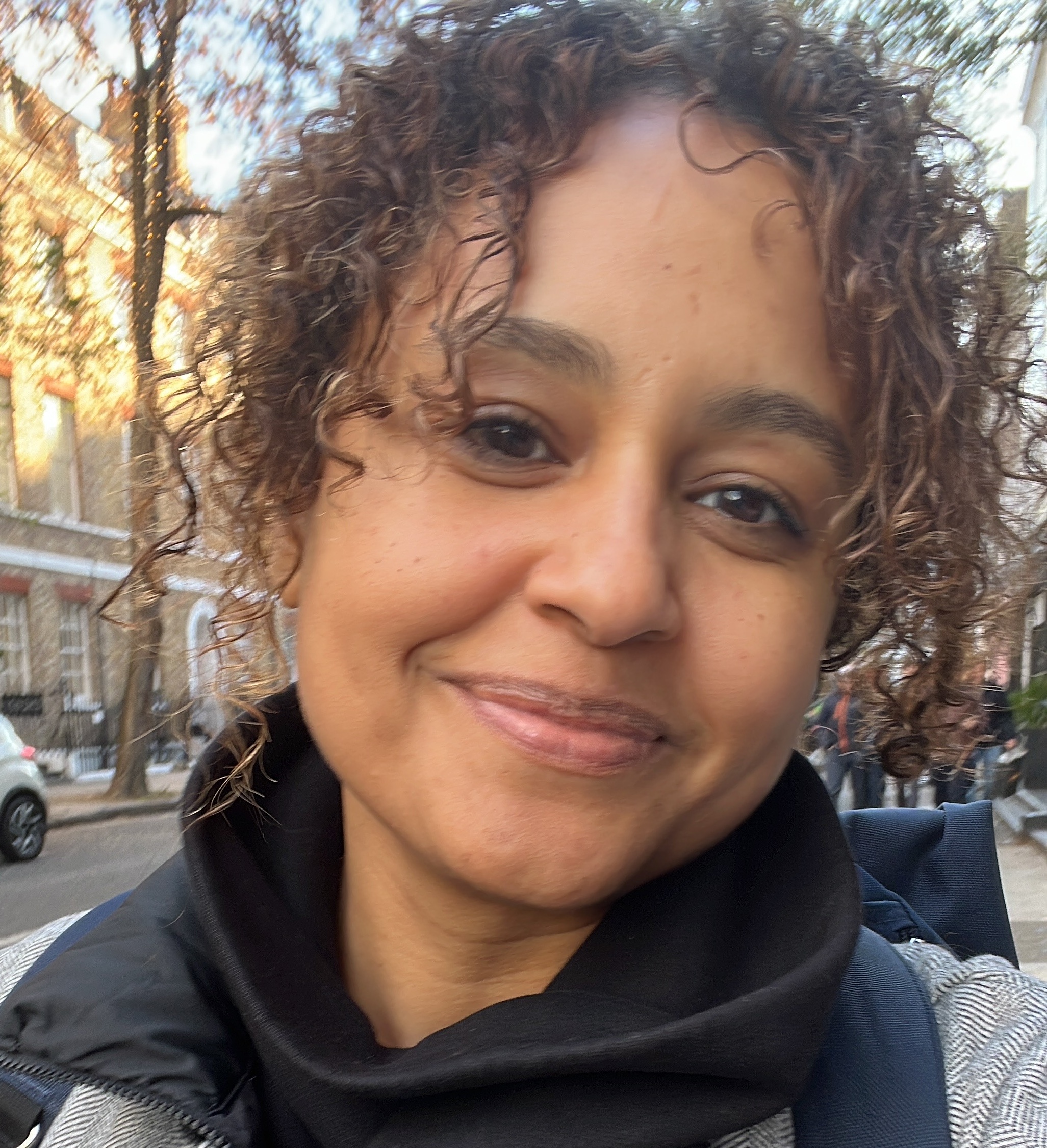
ISSRAA ELKOGALI
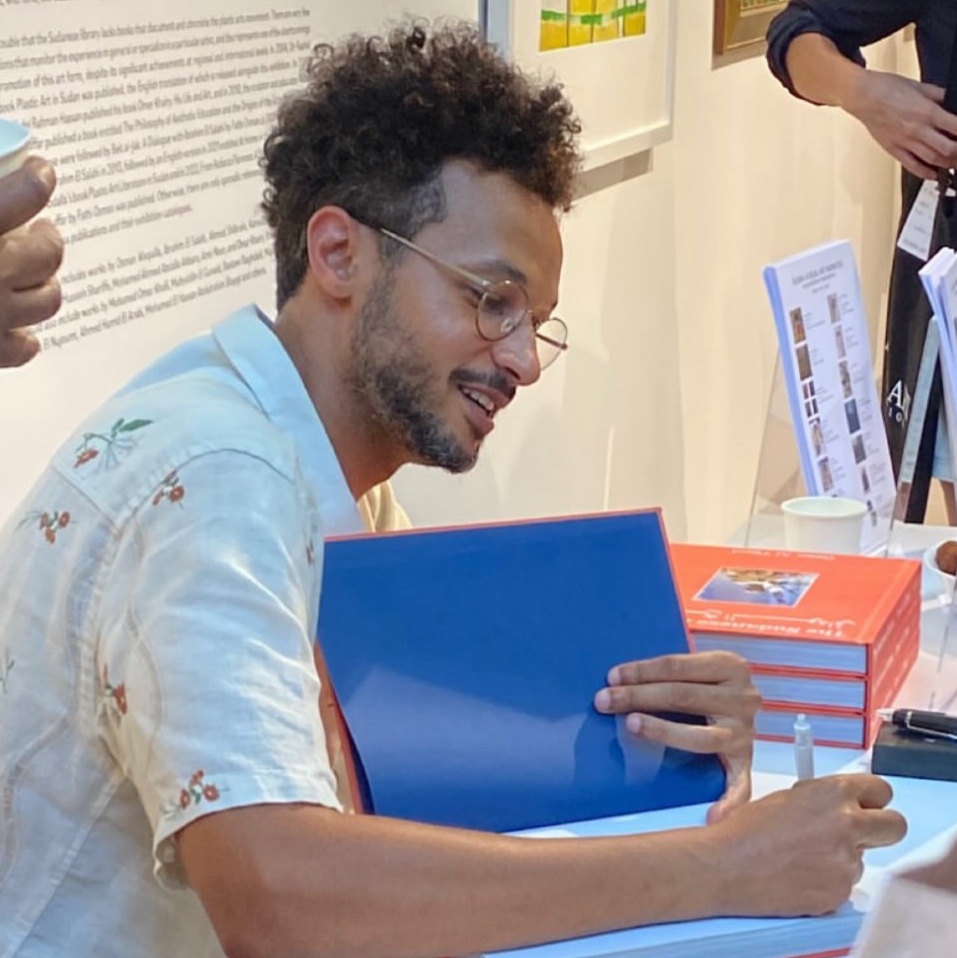
OMER ELTIGANI
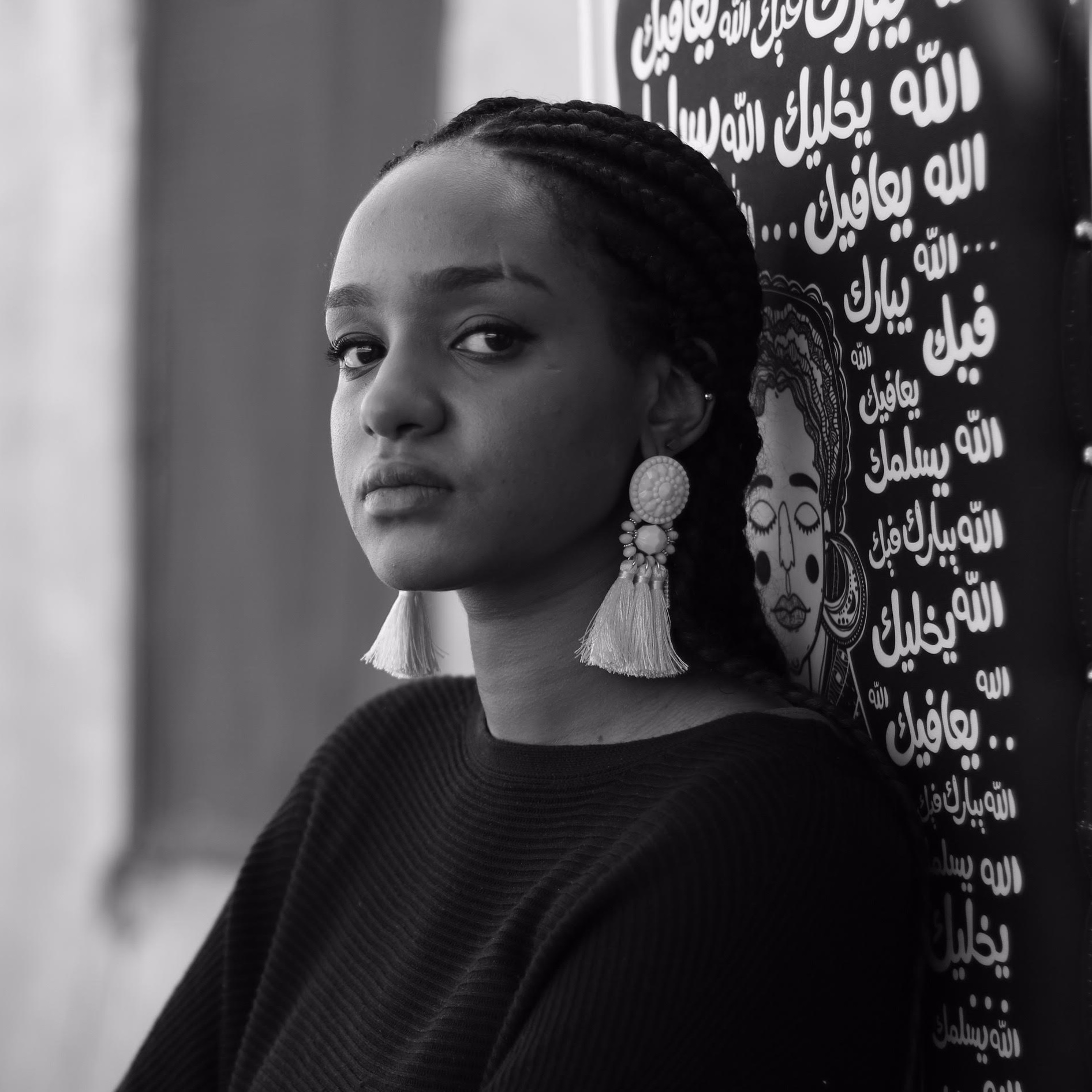
ALAA SATIR
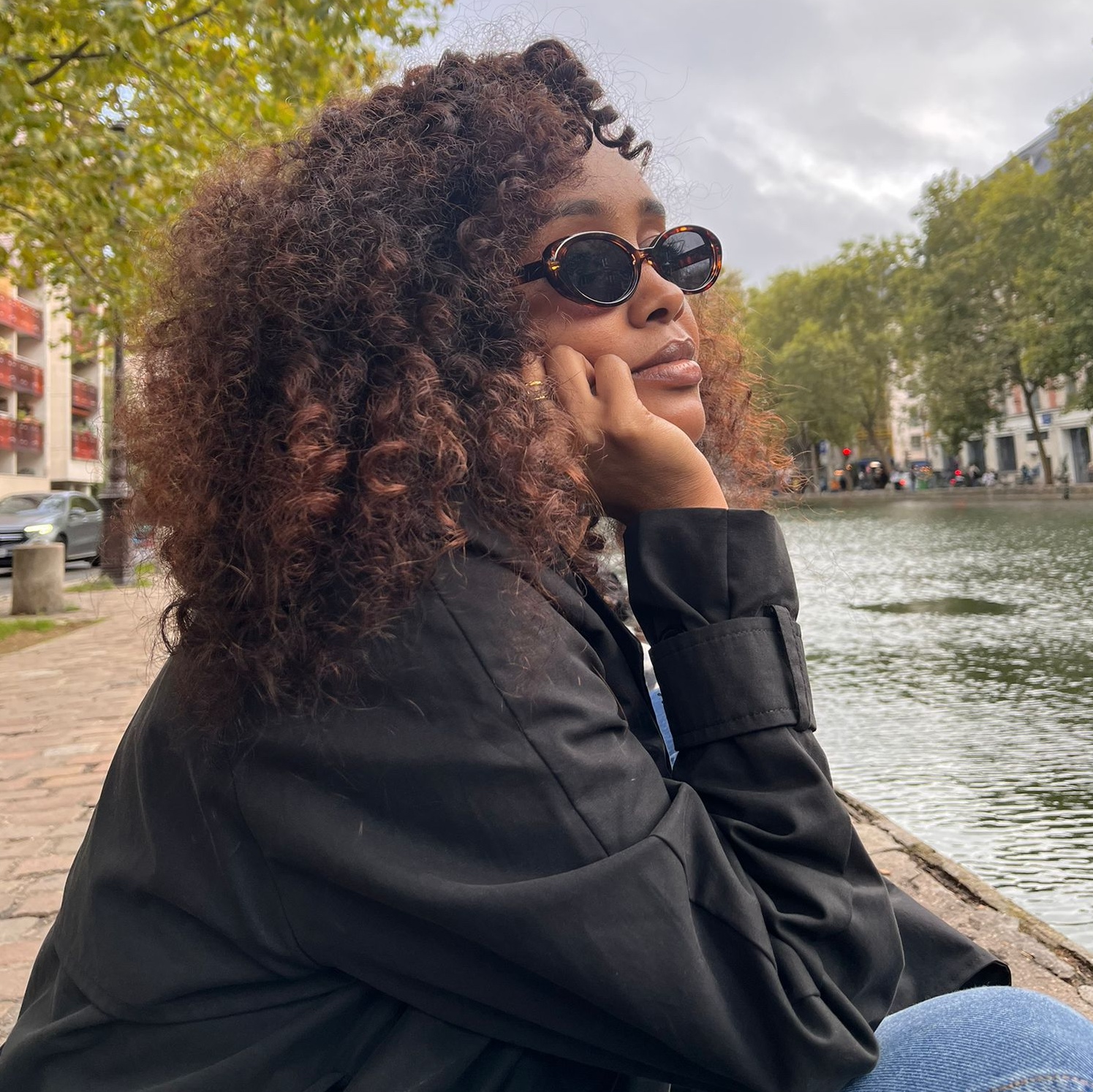
DOAA HUSSIEN MARSHALL
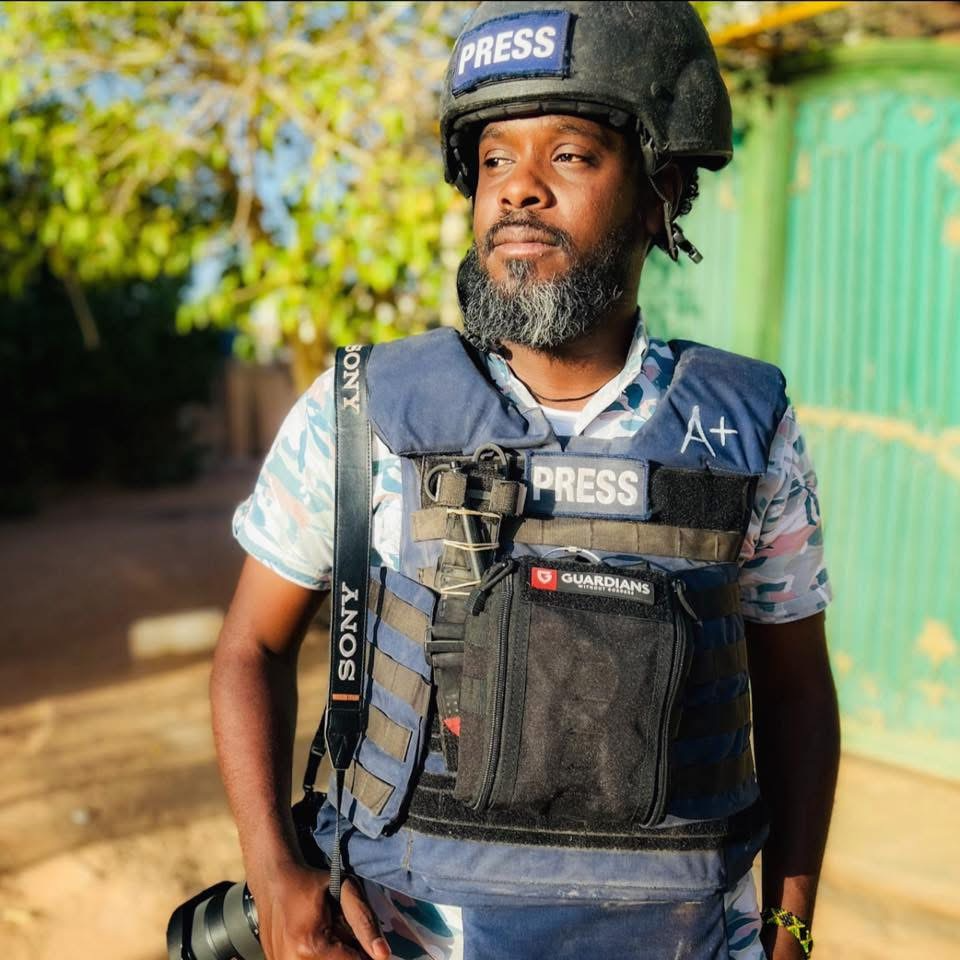
FAIZ ABUBAKR
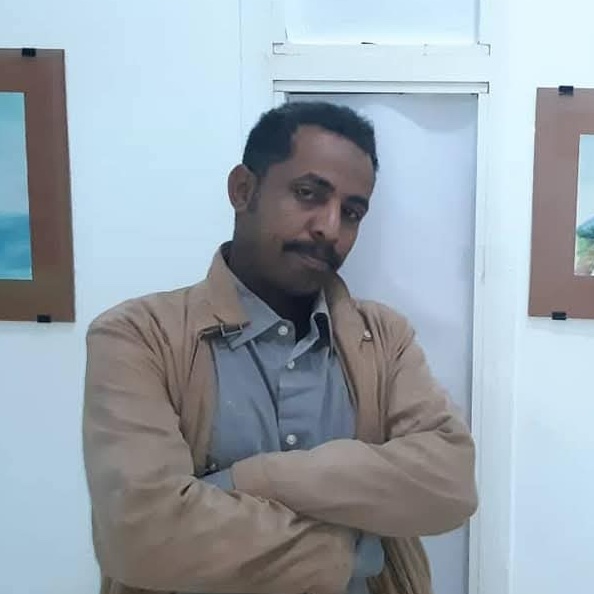
MOHAMED KEHAIL
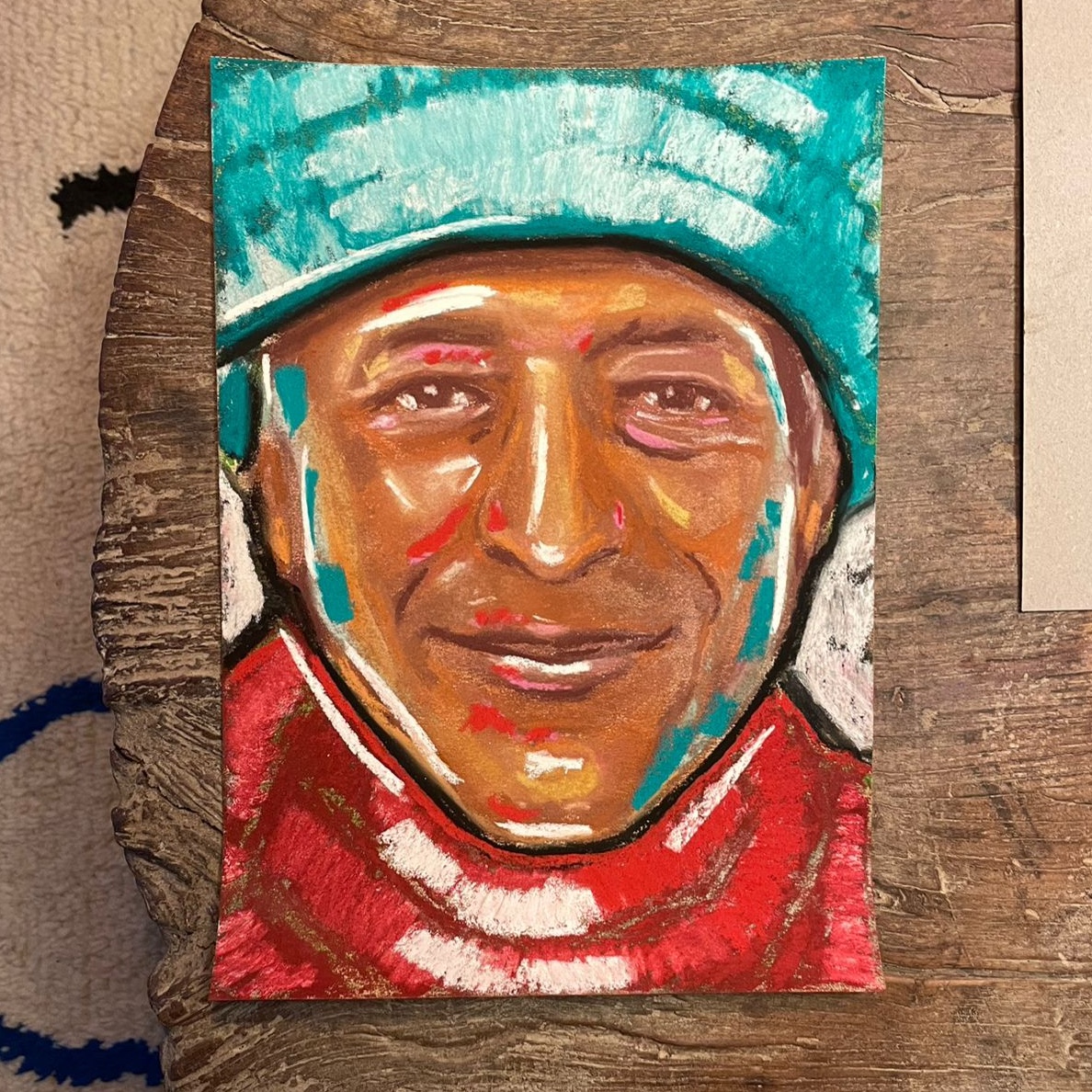
ISLAM ZIAN ALABDEEN
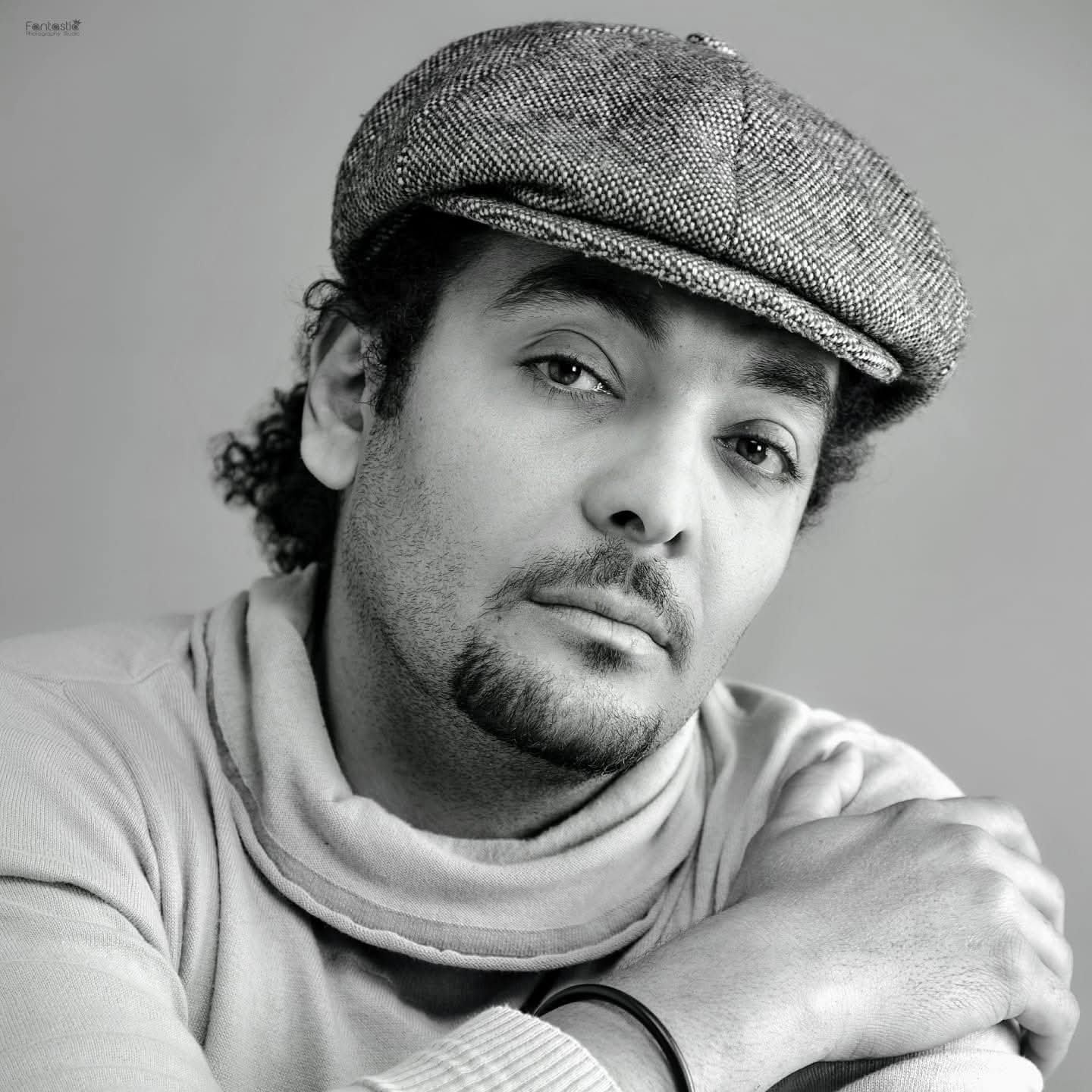
WALID FAROUK
KHARTOON MAG
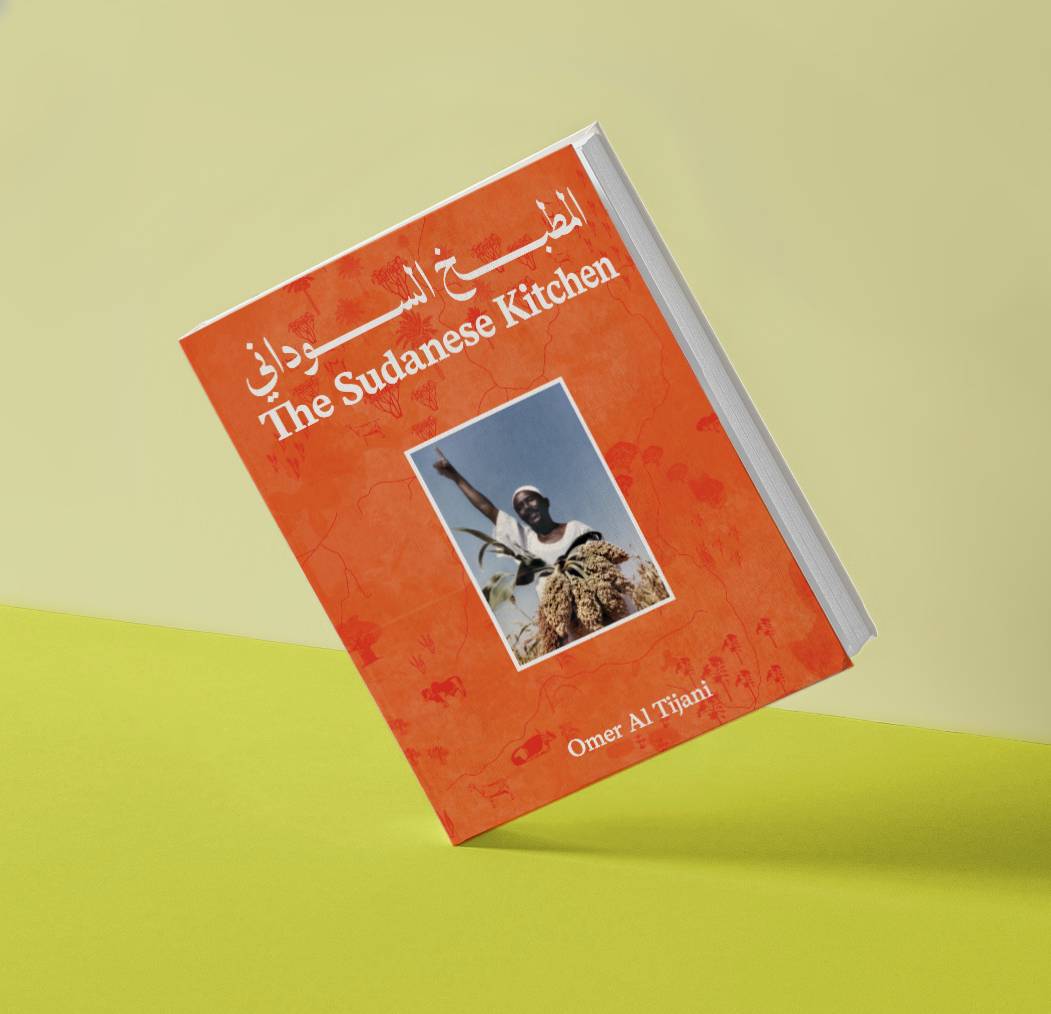
THE SUDANESE KITCHEN
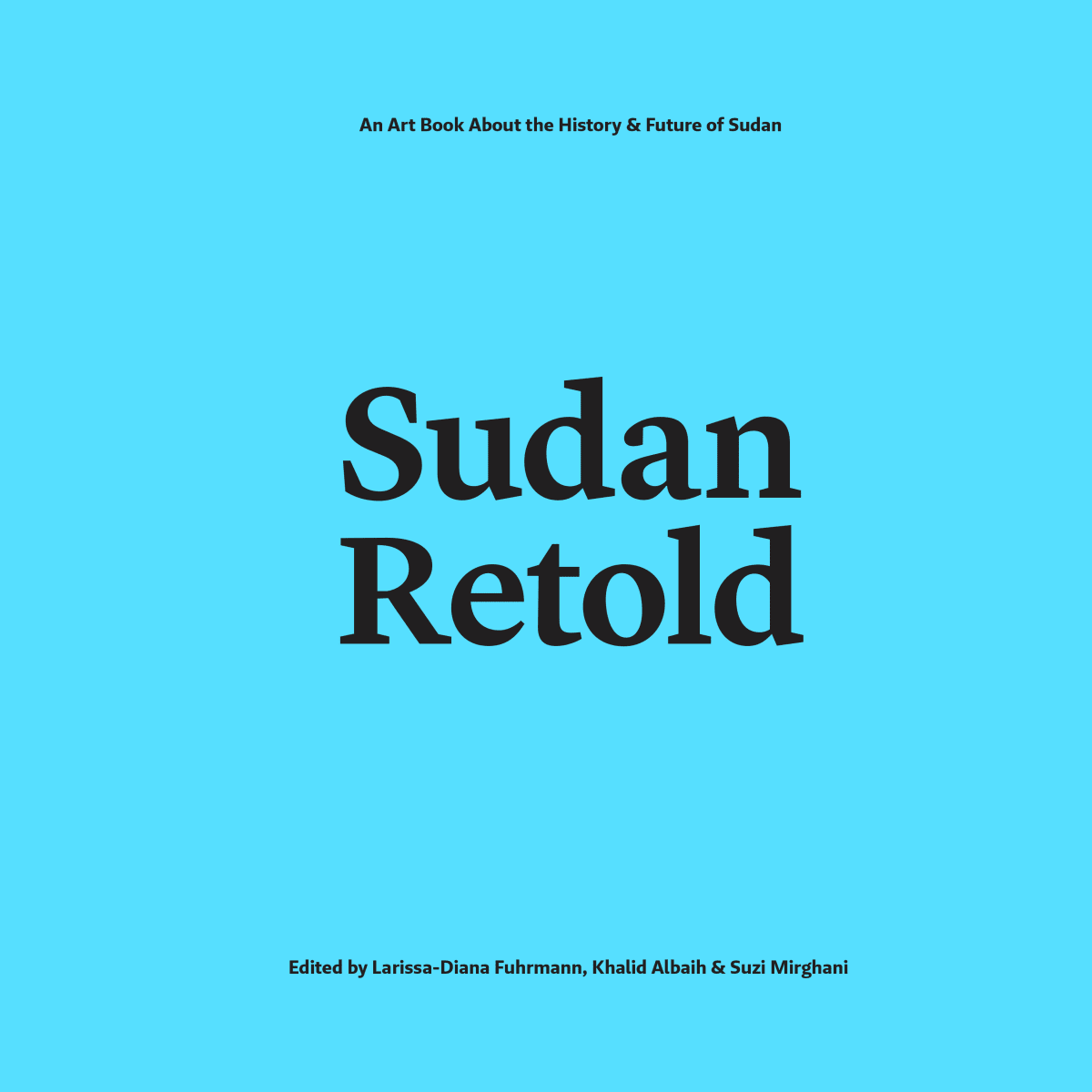
SUDAN RETOLD

ARKAWIT
PANELISTS
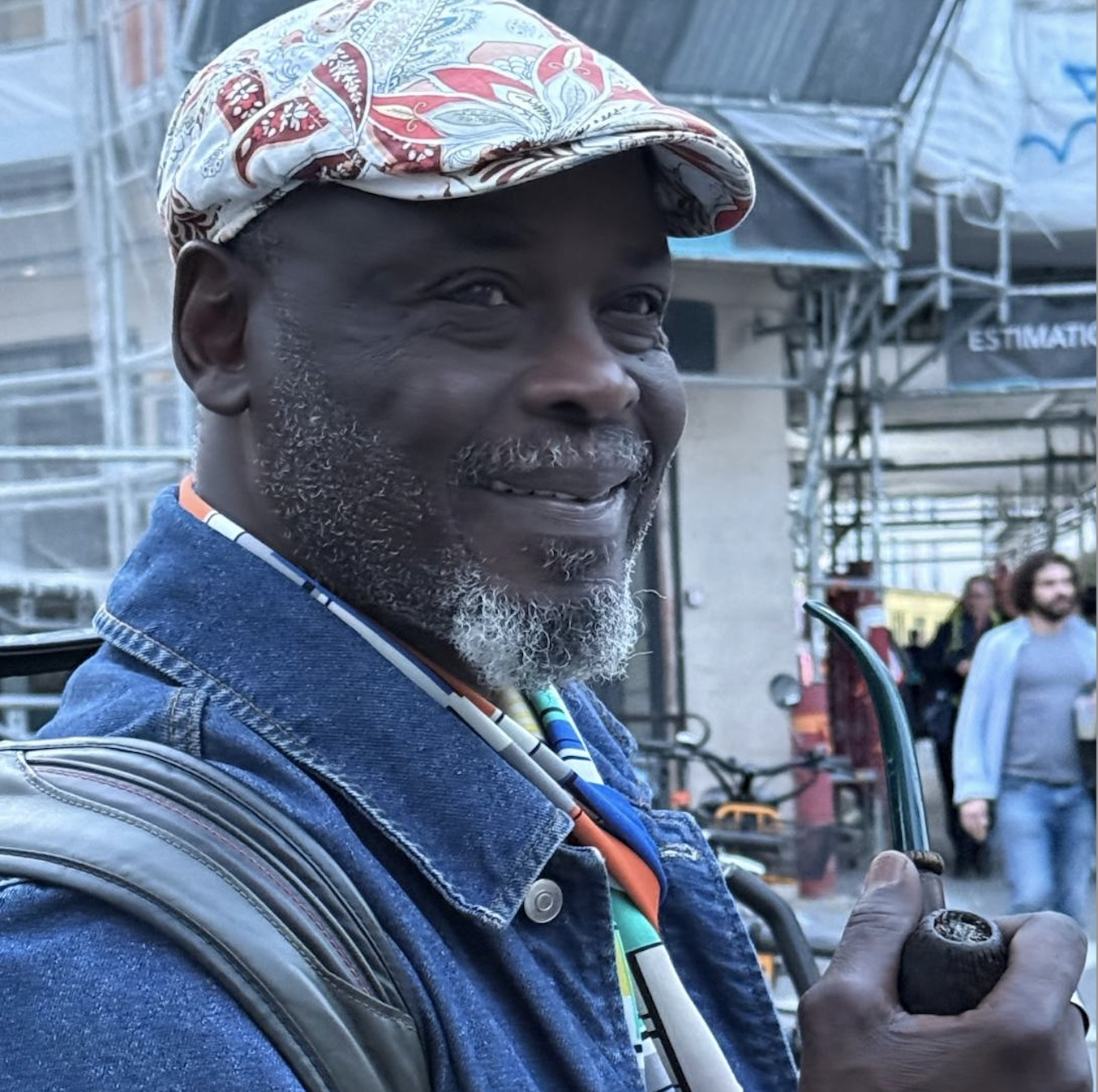
ABDELAZIZ BARAKA SAKIN
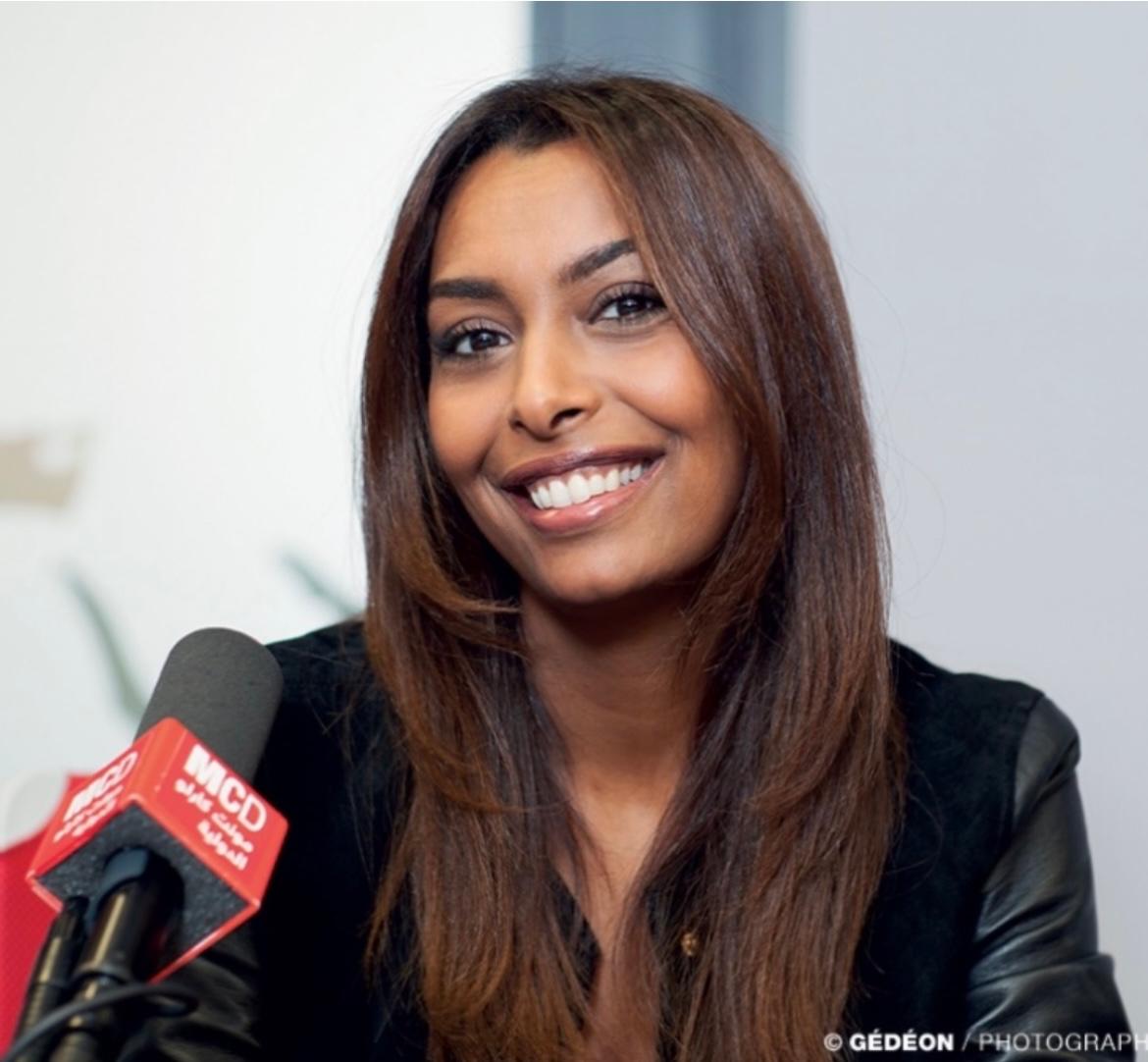
SAMIRA IBRAHIM
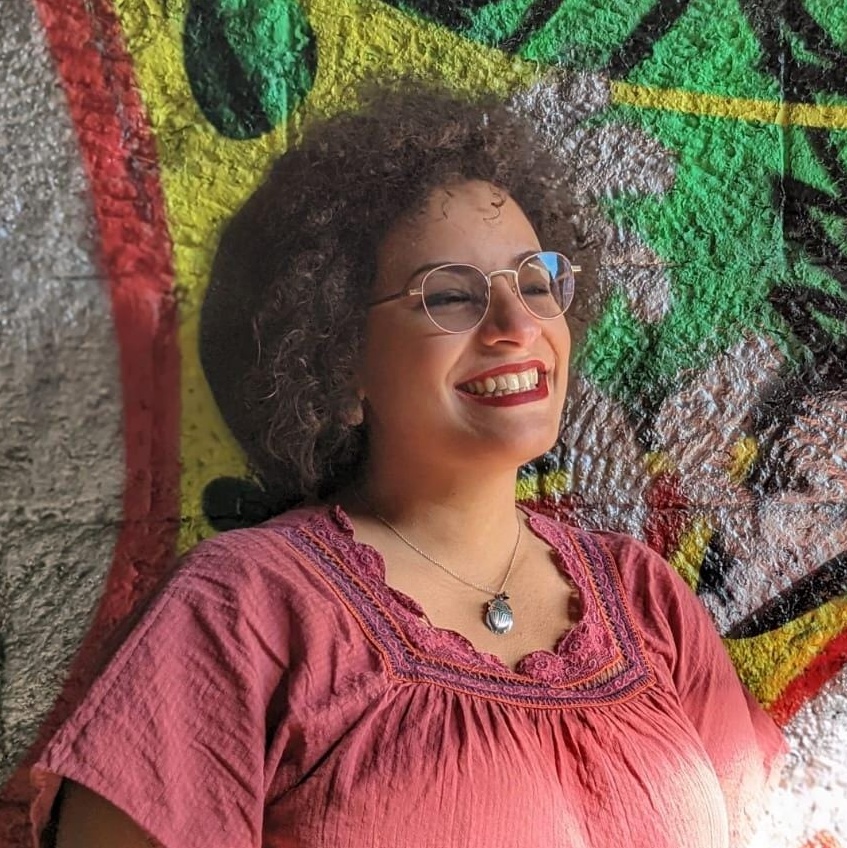
TAISEER KHALIL
HIND ELTAHIR
SARRA GRIRA
MAYADA ADIL
MAWADA ADAM
EMAN HUSSEIN SHERIF
MOHAMED AL ASBAAT
RANA BILAL
MARIE BASSI
ISSRAA ELKOGALI
RAYAN MOHAMEDTOM
NISREEN KUKU
NAJET ARAARI
EYMAN SIDDIG HASSAN
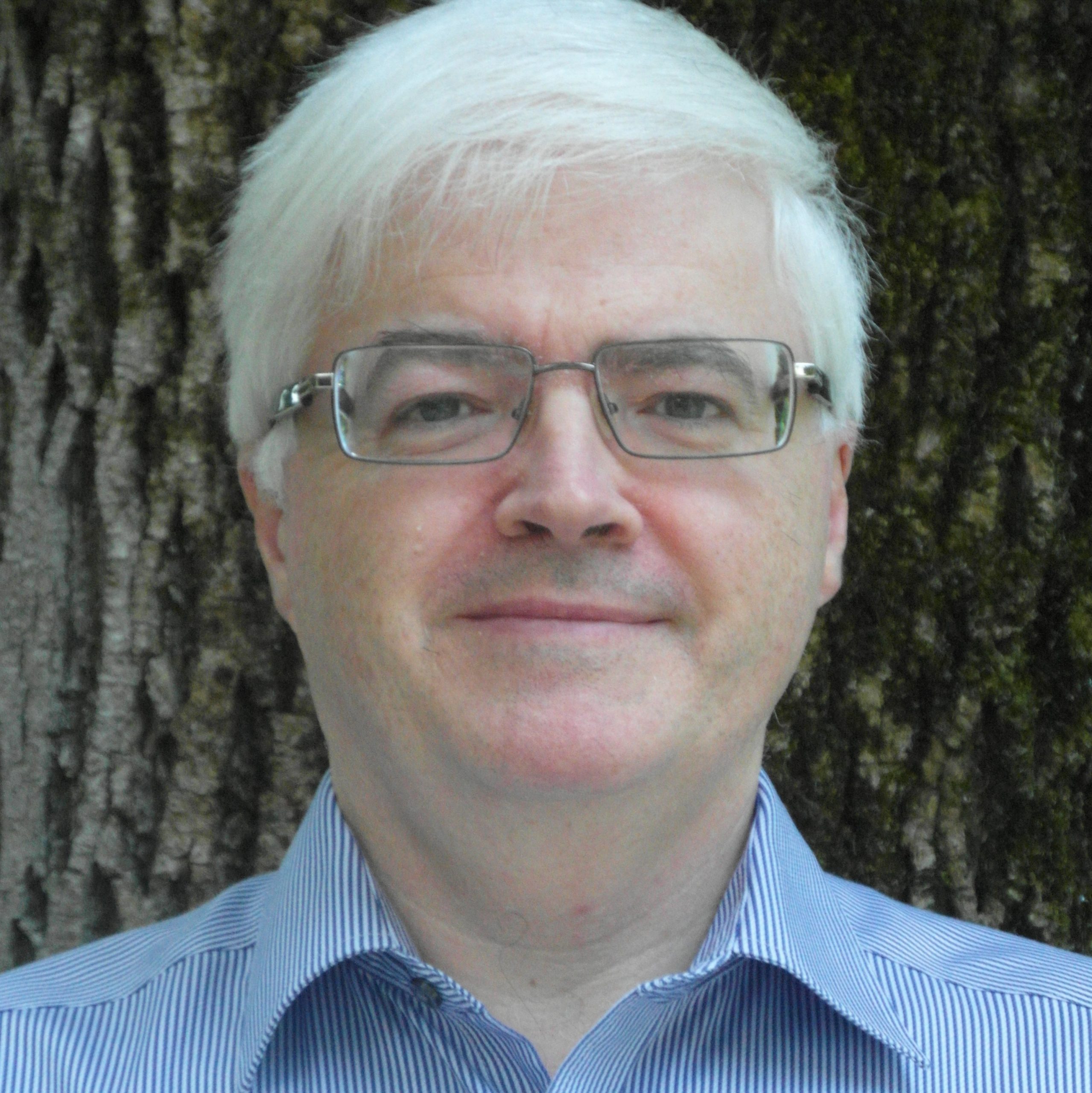
HUGH HAGAN
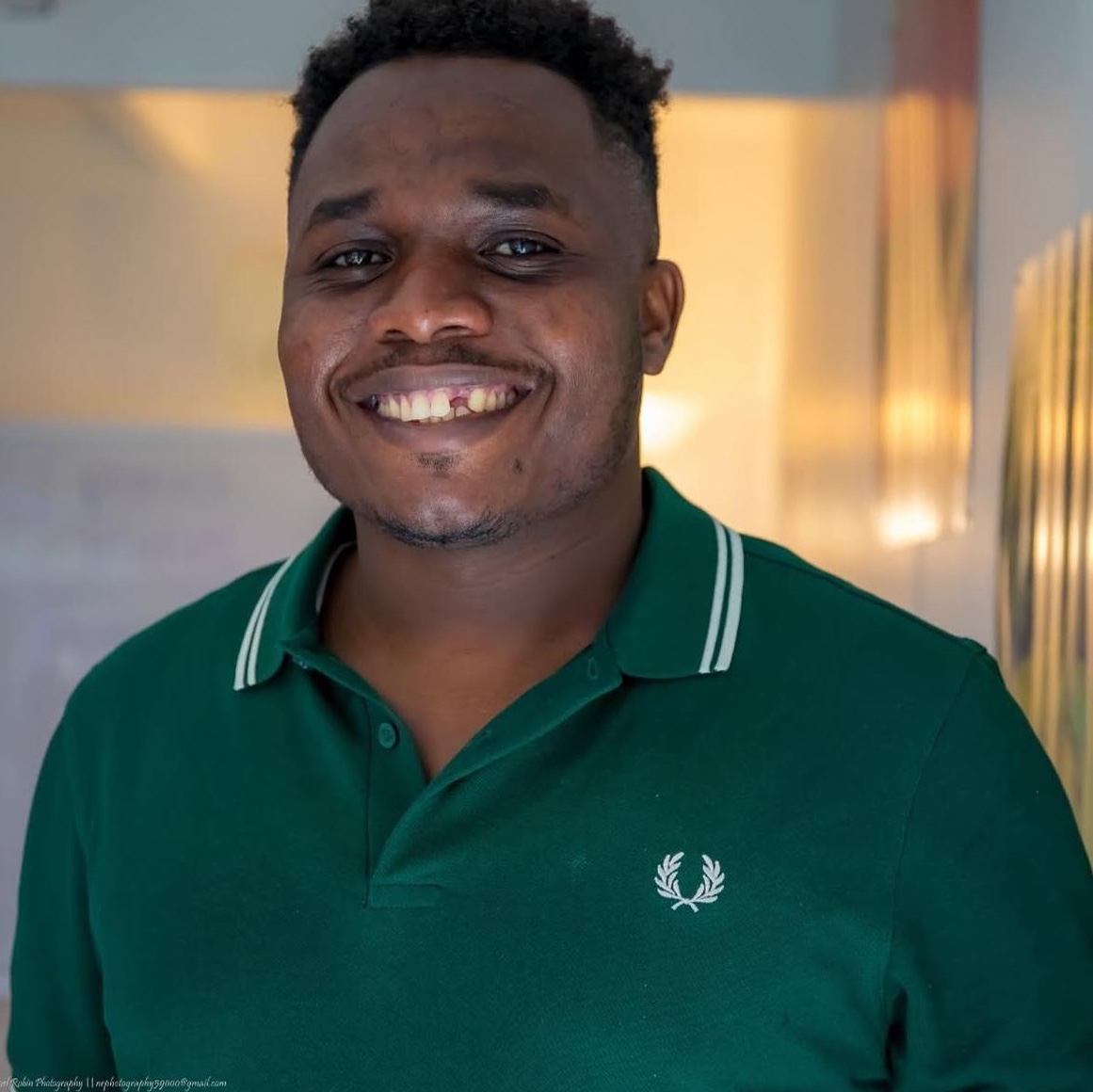
ABDELGHANI ABDELKARIM ABDALLAH
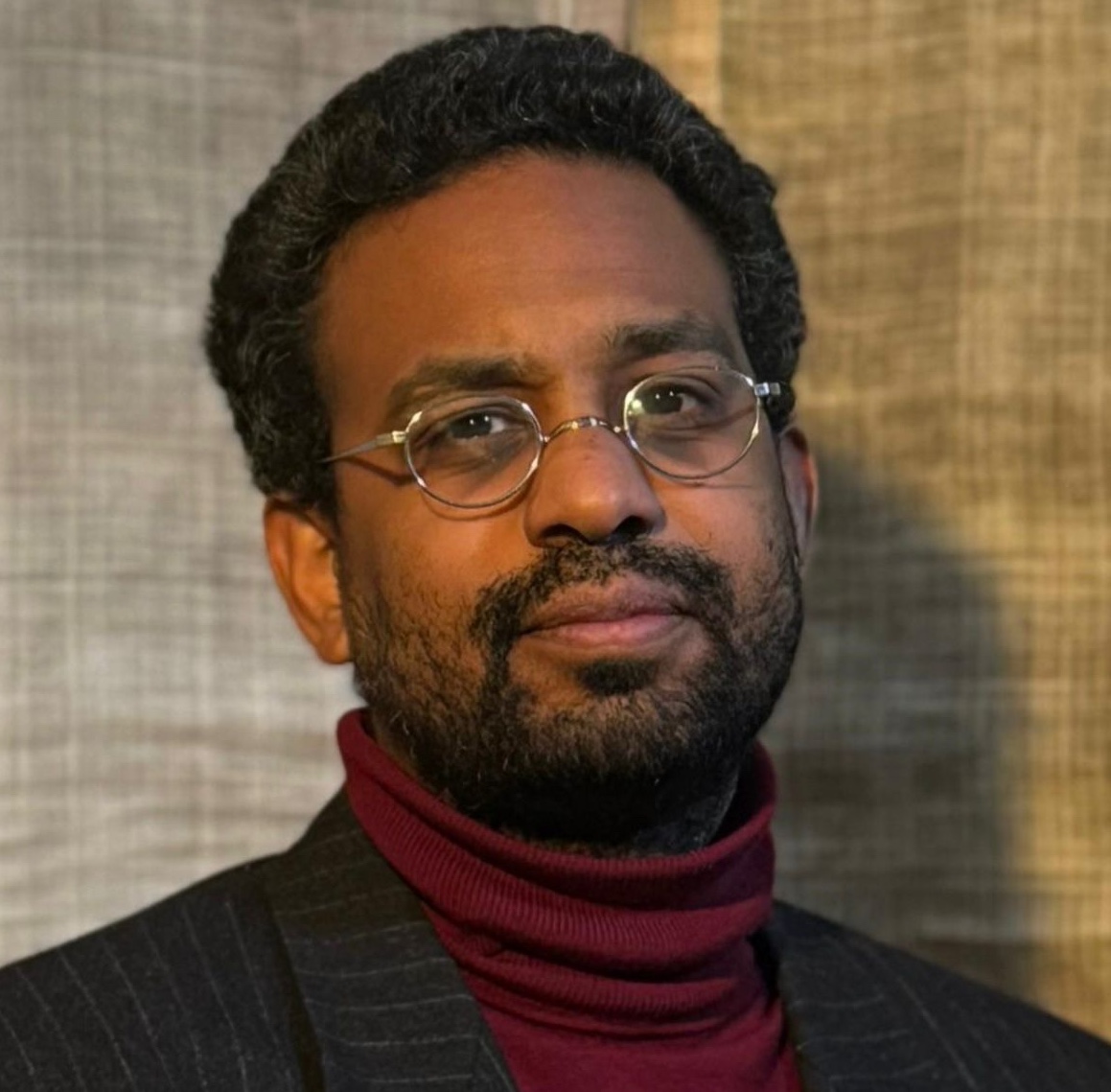
YOUSSIF ABDELRAHMAN
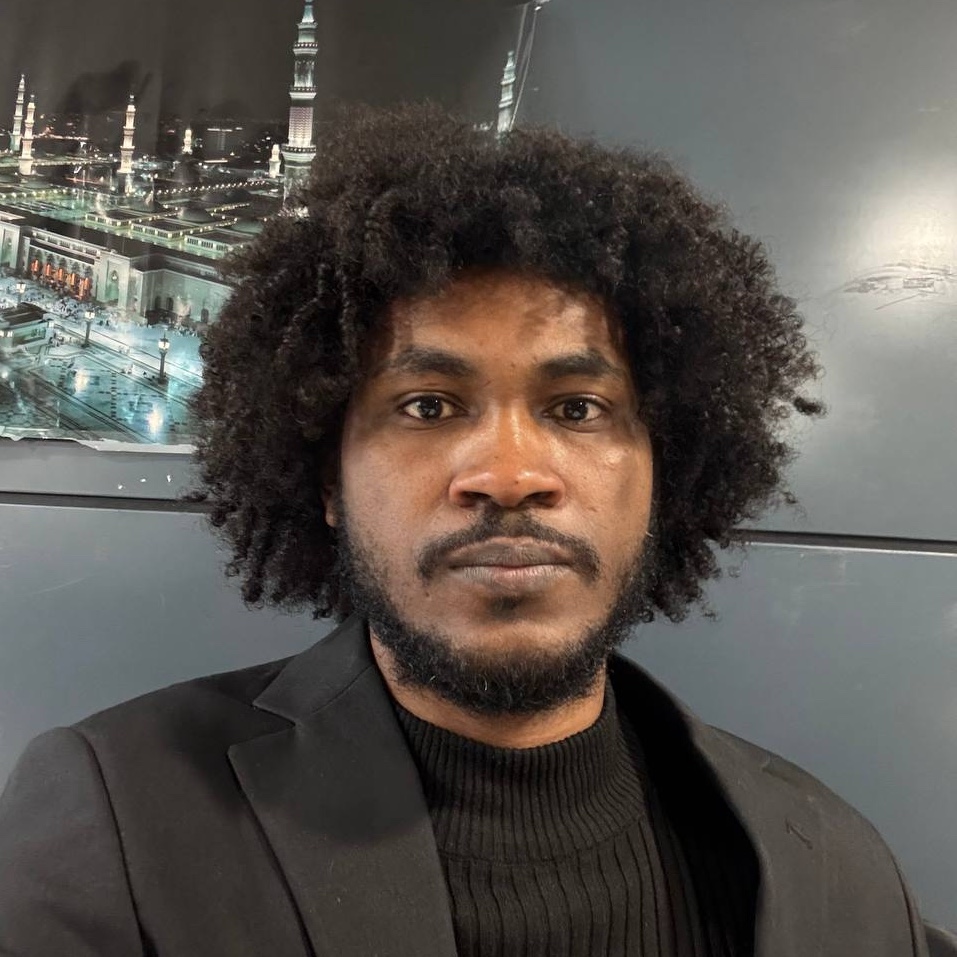
MODDATHIR WADAA
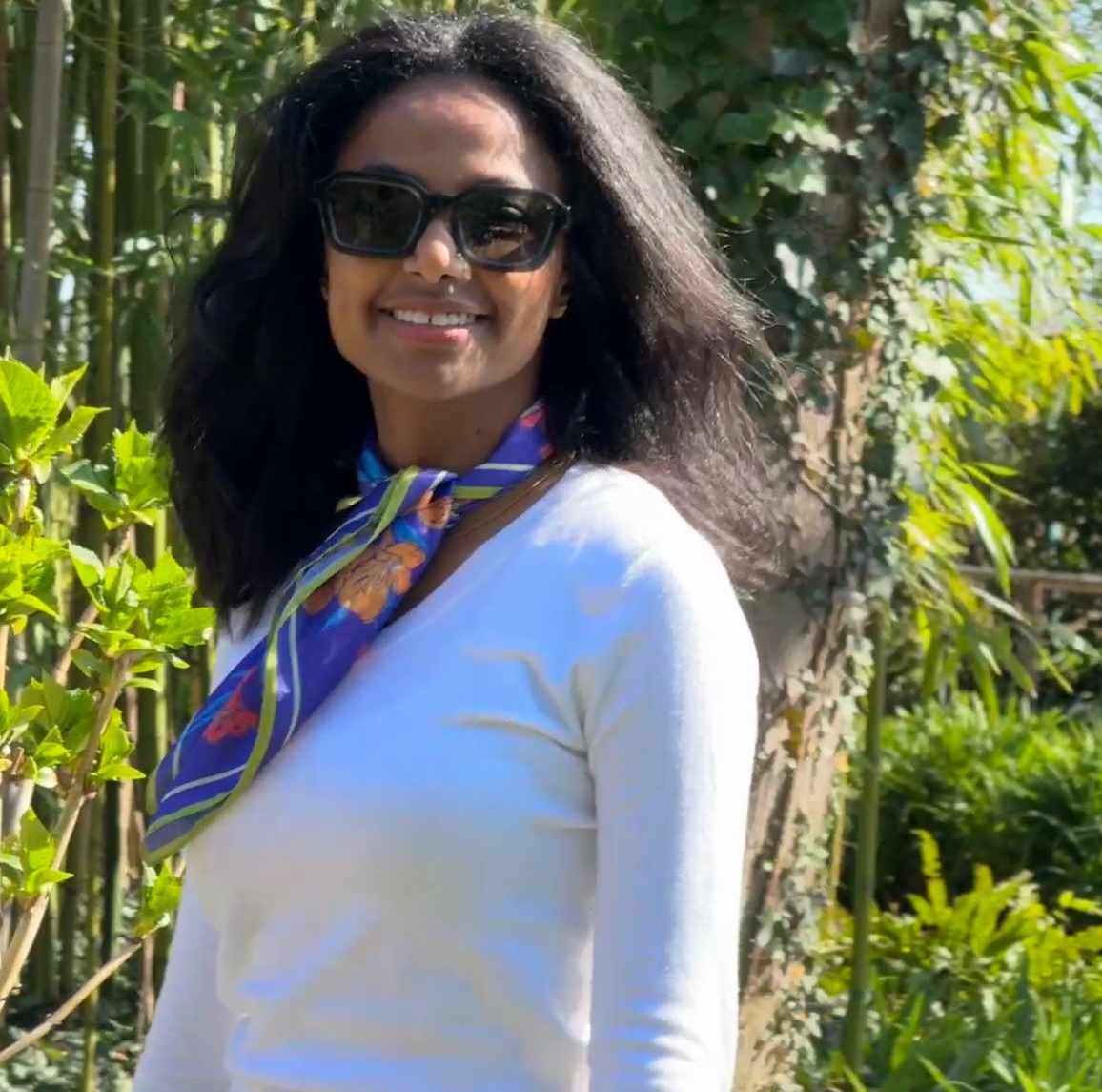
MAISOON KHEIR
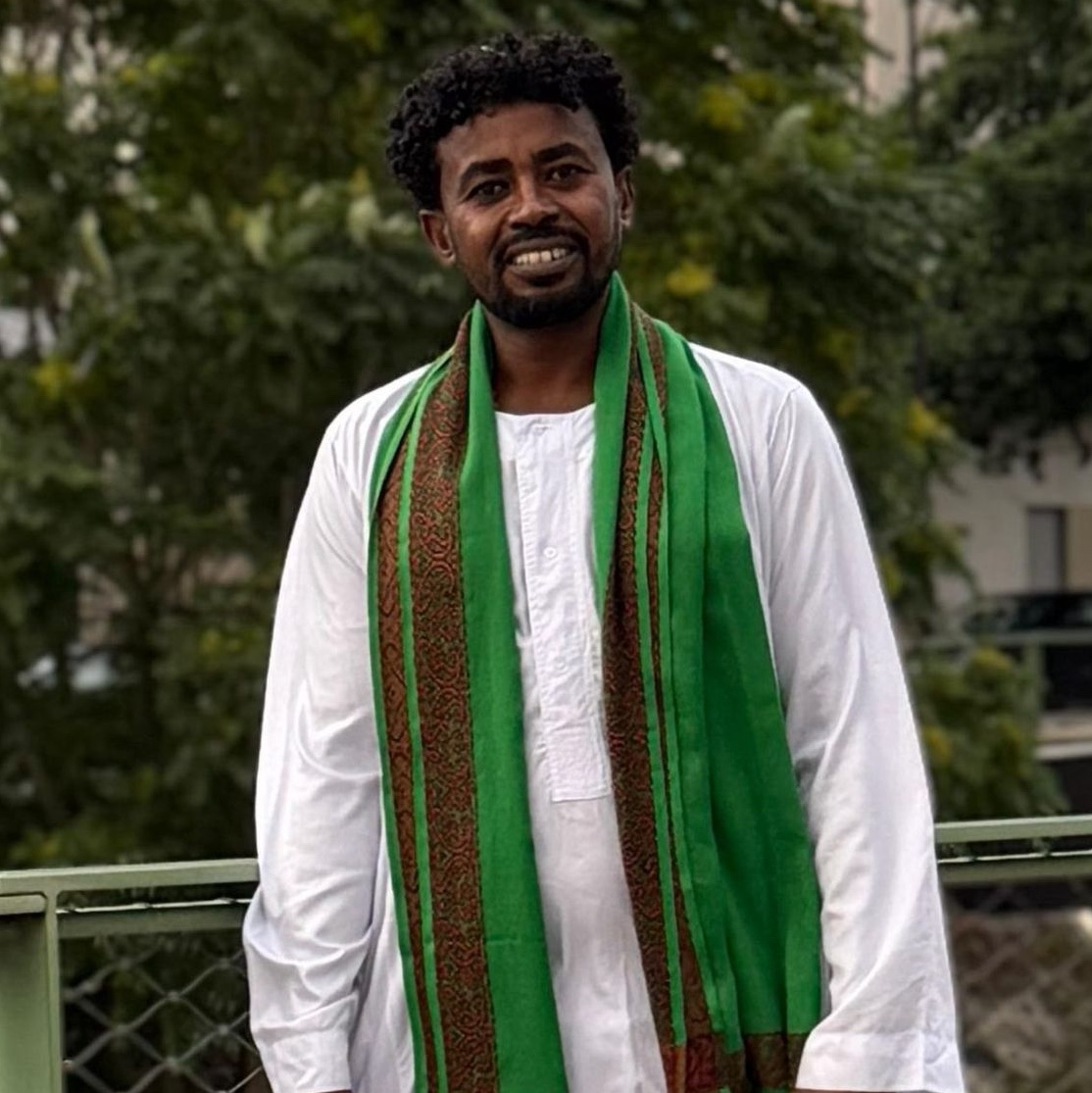
ANWER ALJAZAR
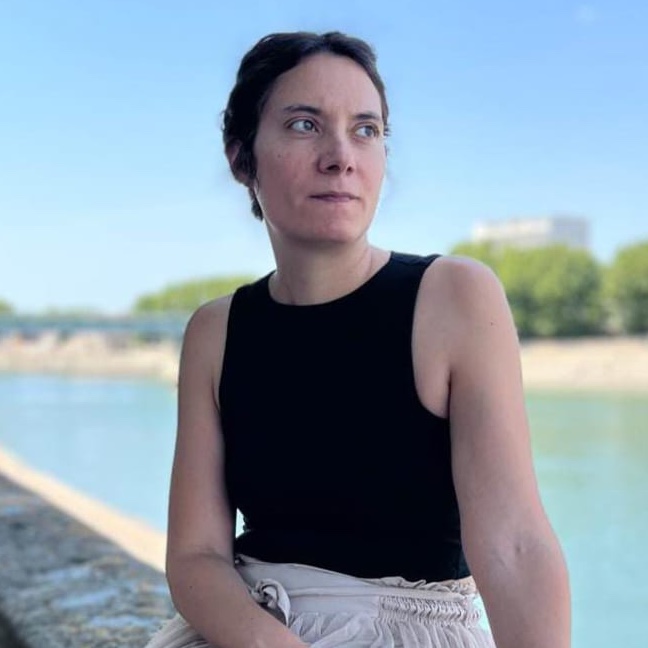
MARIA KALANTZOPOULOU
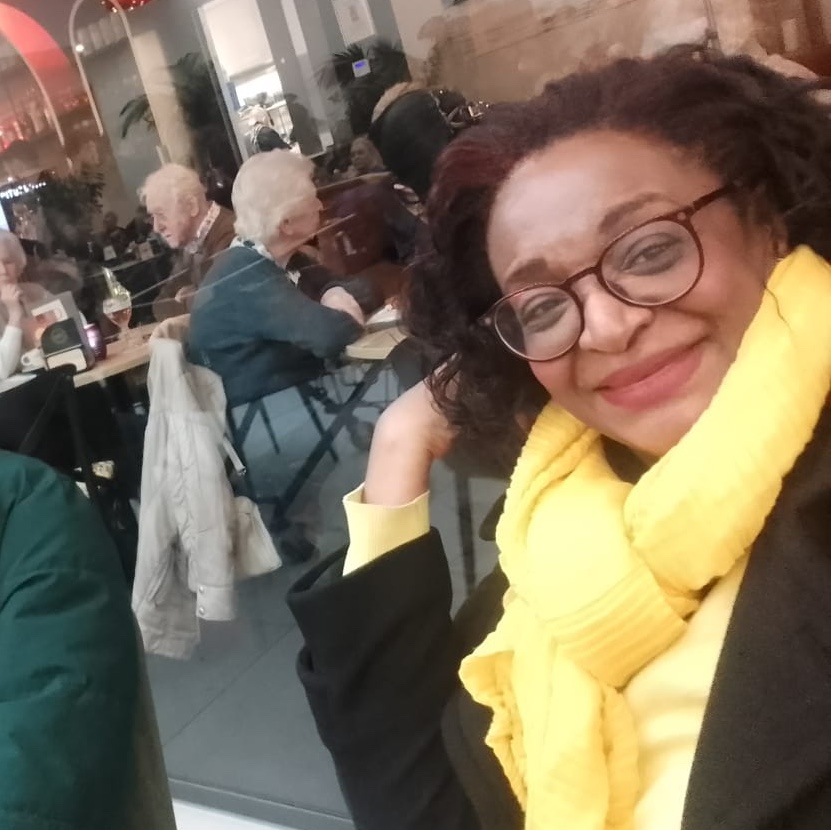
WIGDAN MEKKI MEDANI
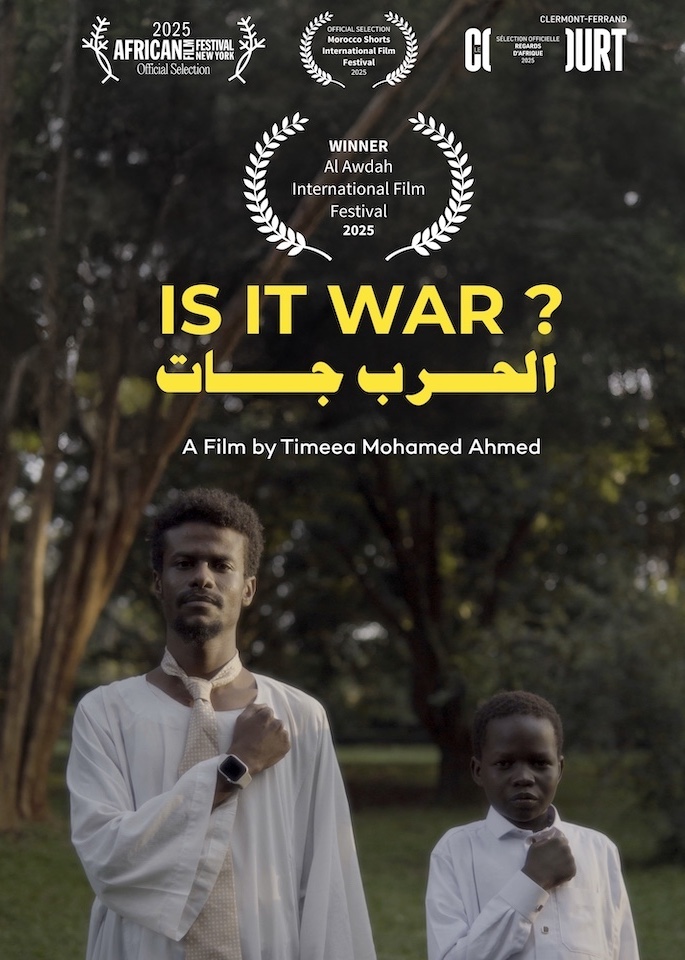
FILM
MEET THE PEOPLE BEHIND THE MAGIC
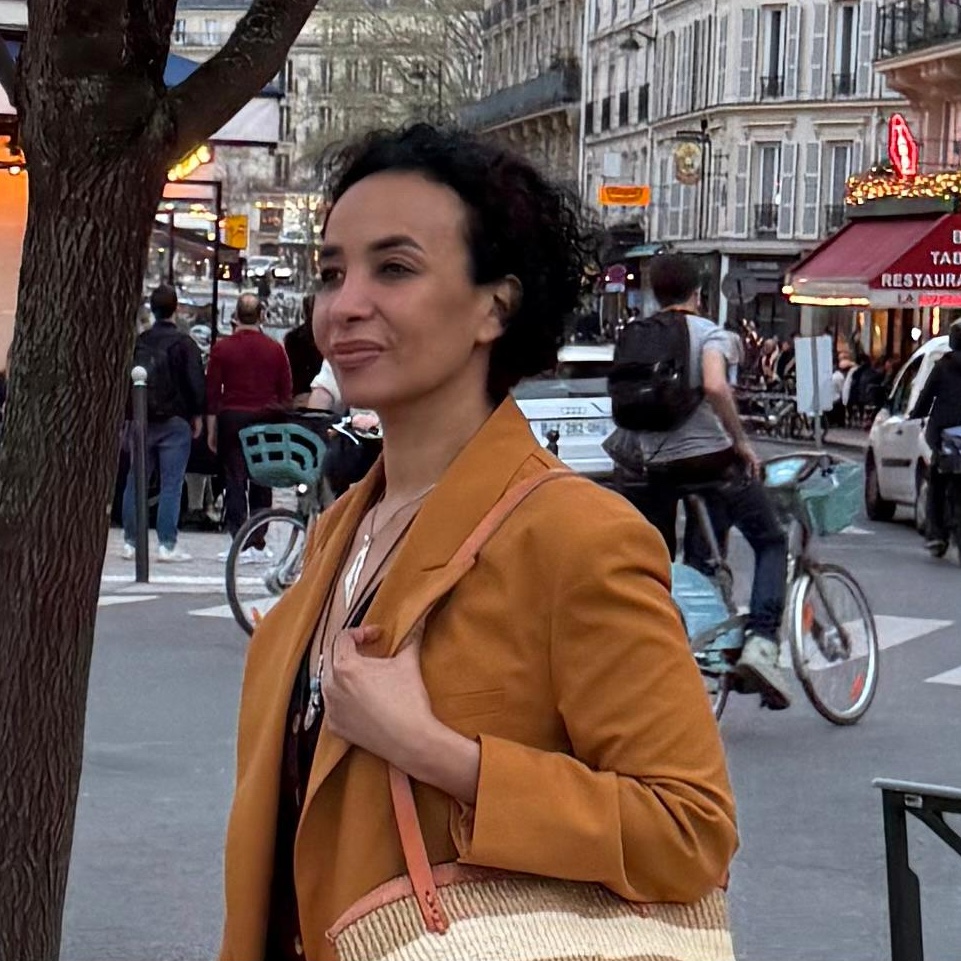
SULAFA KHALID
EVENT FOUNDER
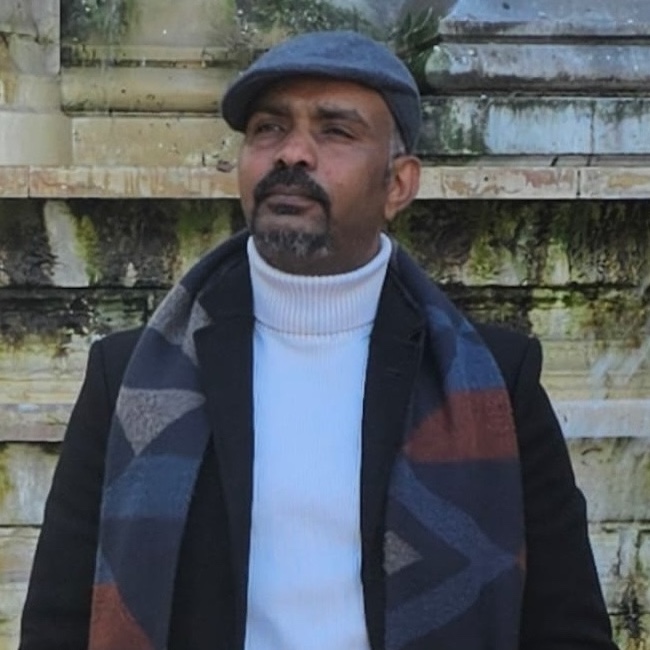
HASSAN YASSIN
CREATIVE DIRECTOR
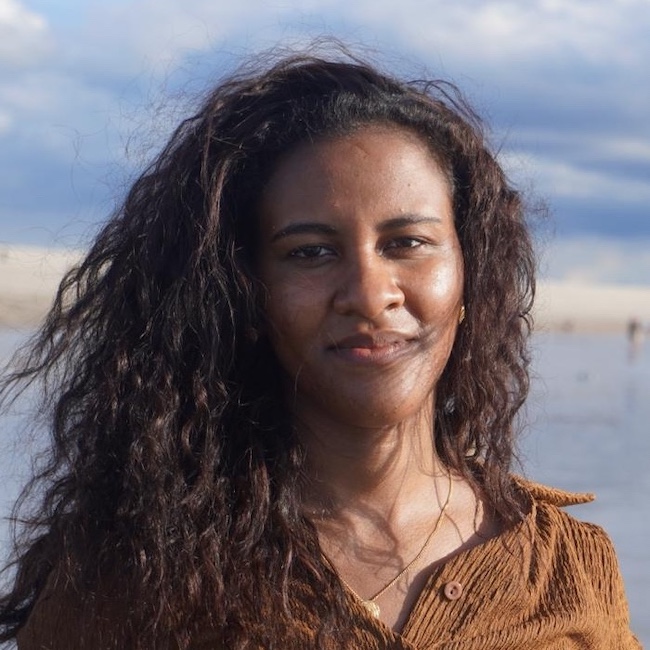
INAAM ELTAYEB
PR DIRECTOR
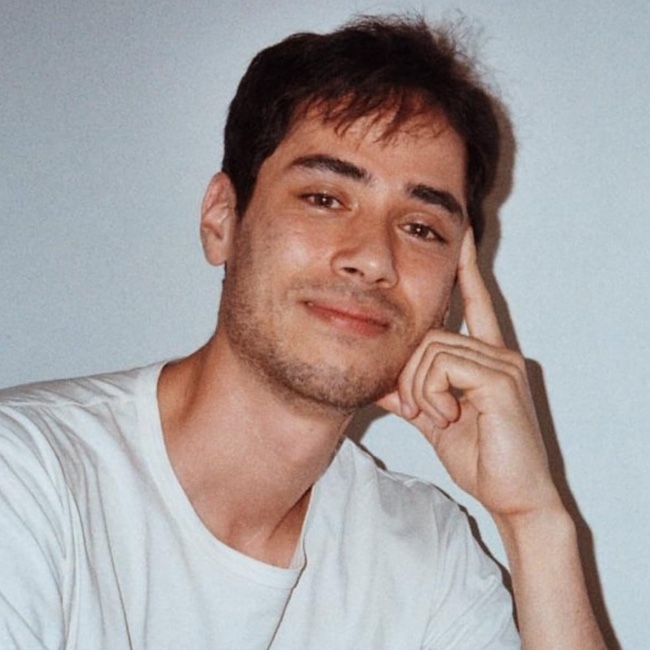
MICKEY YAMAGISHI LEVIN
MARKETING & OUTREACH DIRECTOR
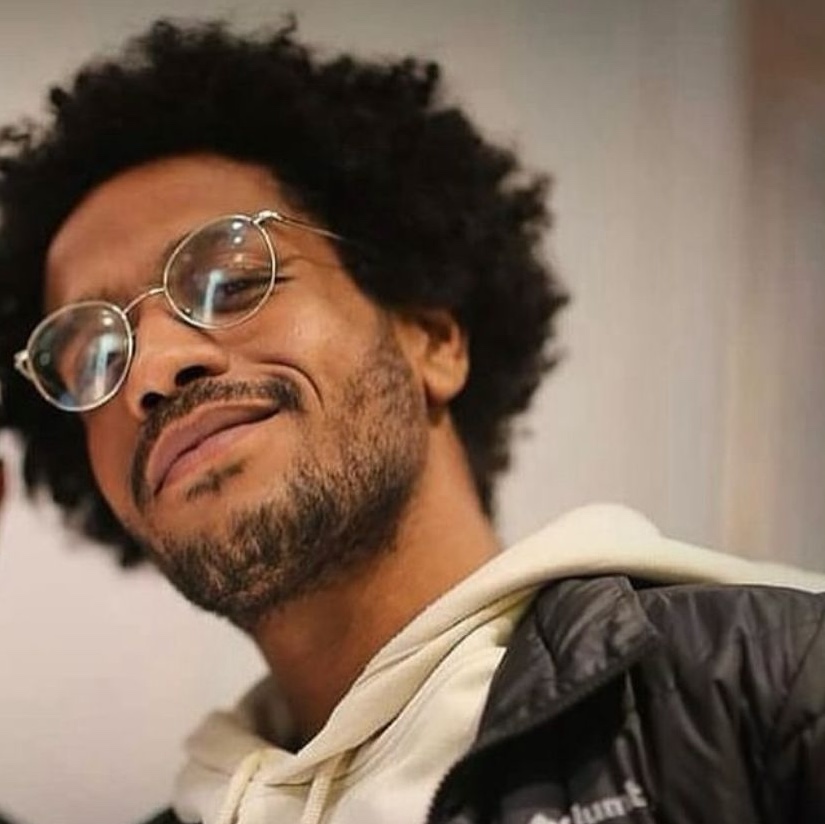
HAZIM ELDIRDIRI
STRATEGIC ADVISOR
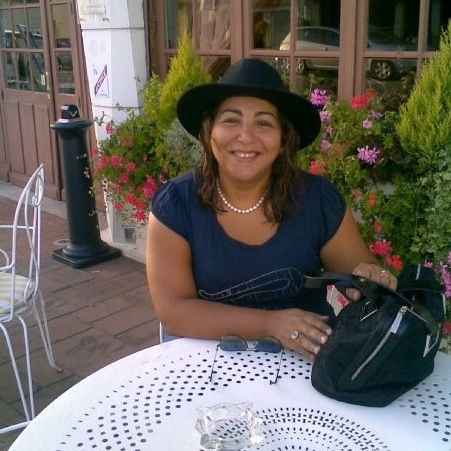
RAJA CHAMEKH
ADVISOR & ALLY
VENUE & DATES
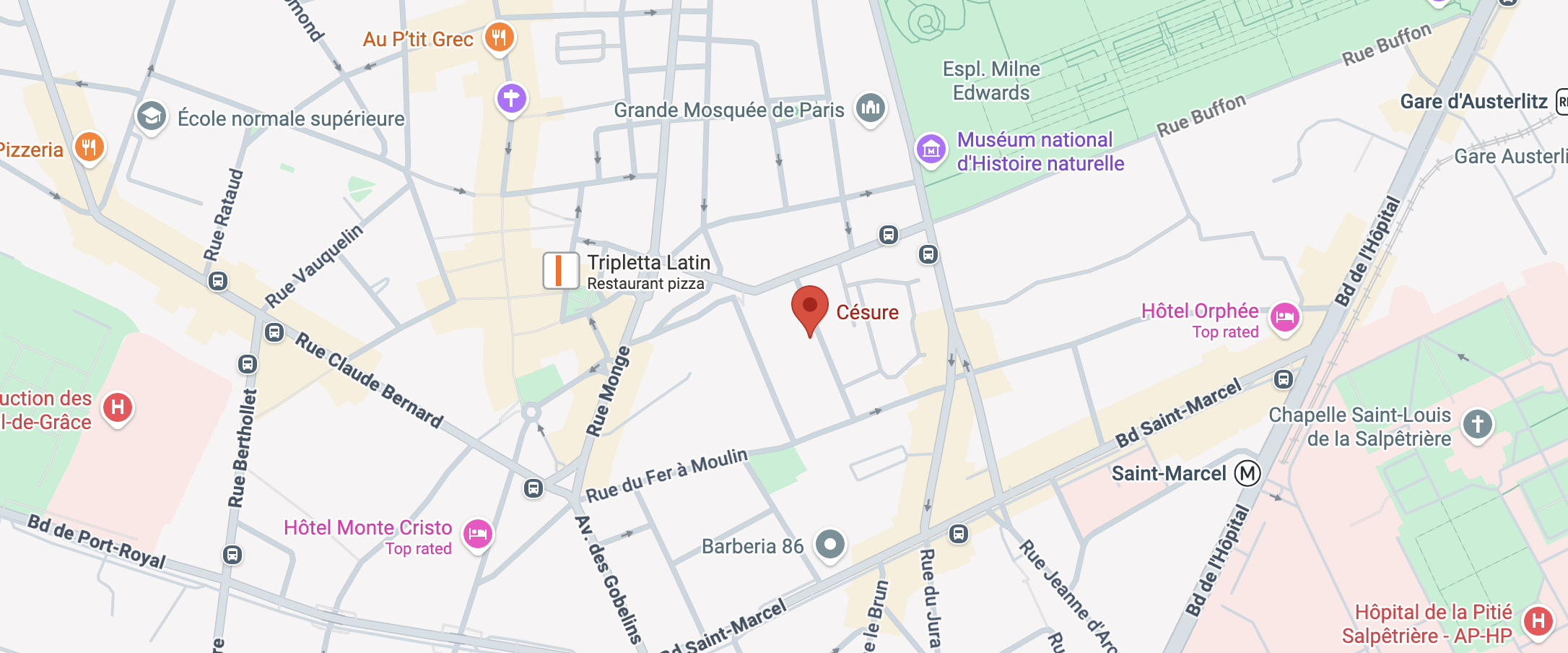
Césure Paris
13 rue Santeuil, Paris 5e
10 – 17 January
Opening: Saturday, January 10 from 1 – 10 PM
Métro: Censier – Daubenton (7)
Bus: Monge (47 / N15 / N22), Monge – Claude Bernard (24 / 27 / 47 / N15 / N22), Censier – Daubenton (24 / 47 / N15 / N22), Saint-Marcel – Jeanne d’Arc (24 / 67 / 91 / N01 / N02), Buffon – La Mosquée (24 / 67 / 89), Les Gobelins (24 / 27 / 47 / 59 / 83 / 91 / N01 / N02 / N15 / N22)